
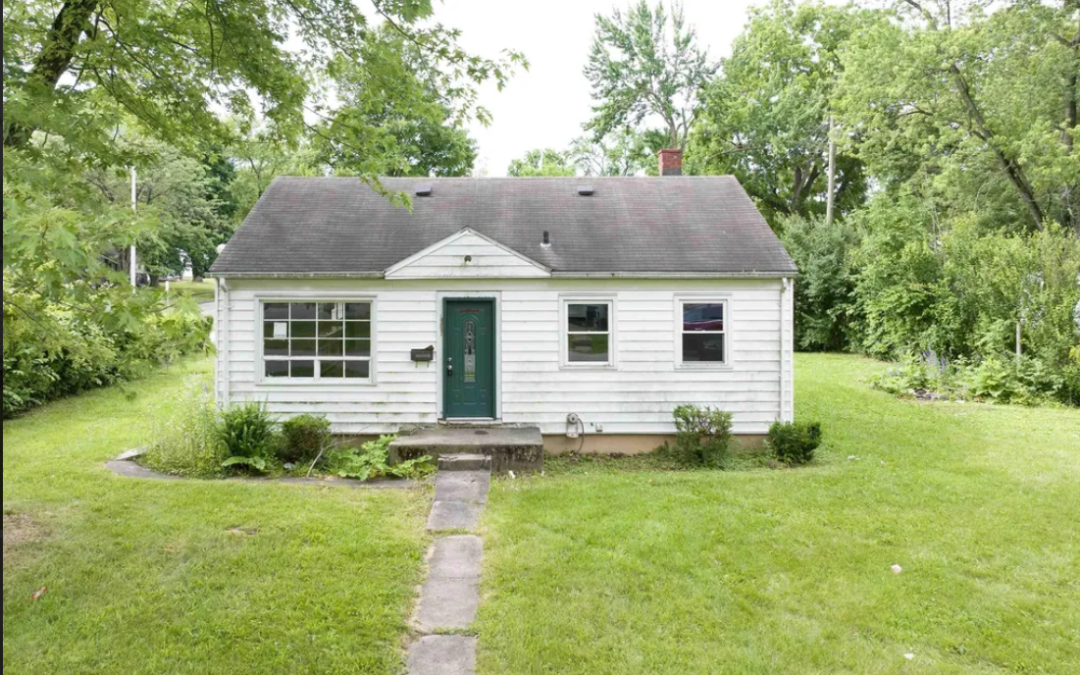
If you’re trying to sell a house with foundation problems the biggest question on your mind is probably simple: Will anyone actually buy it? Foundation damage scares most buyers away fast. Lenders won’t approve mortgages on homes with serious structural issues, and financed buyers can’t close without that approval. That’s why so many homeowners in Burrell feel stuck when cracks appear in their basement walls or their floors start to shift. But cash buyers evaluate properties differently, and understanding that difference can change everything for you.
What Do Cash Buyers Look for When They Evaluate a Foundation-Problem House?
Before we ever make an offer, we take a close look at the full picture of the property. Foundation damage is just one piece of that picture, not an automatic disqualifier. Here’s what actually matters during our evaluation.
The Type and Extent of the Damage
Not all foundation problems are equal. We look at whether the issue is cosmetic or structural, and whether it’s stable or still actively moving.
Common foundation issues we see include:
- Hairline cracks in poured concrete walls (often minor and stable)
- Horizontal cracks in block foundations (more serious, may indicate soil pressure)
- Bowing or leaning walls (a sign of active movement)
- Settling or sinking has caused the home to shift out of level
- Water intrusion is tied to foundation gaps or failed drainage
A stable crack that formed years ago and hasn’t moved is very different from a wall that’s actively bowing inward.
Whether the Home Can Be Renovated at a Realistic Cost
Every property we evaluate comes down to one question: can this home be repaired, updated, and resold or rented at a number that makes financial sense? We look at what it would cost to stabilize the foundation, complete any additional repairs, and bring the home to a livable standard.
Your renovation budget is a real factor. We work with experienced contractors who provide honest estimates for foundation work, whether that means piering, wall anchors, waterproofing, or full underpinning. If the repair cost fits within our numbers, the deal can work.

The Location and Local Market Conditions
Location shapes everything in real estate. A home in a desirable neighborhood with strong resale demand gives us more room to absorb repair costs. Properties near Indiana, PA, often carry good underlying value even when the structure needs serious work.
What Foundation Issues Are Too Severe Even for a Cash Buyer?
We want to be upfront with you: there are situations where even we can’t make an offer work. Being honest about this saves everyone time.
Total Structural Failure
If a foundation has collapsed or is so far gone that the entire structure is at risk of coming down, the renovation cost typically exceeds any realistic after-repair value (ARV). ARV is the estimated market value of the home once all repairs are complete. When repair costs exceed the ARV, the numbers simply don’t work for anyone.
Inaccessible or Condemned Properties
Properties that have been condemned by local authorities or that are inaccessible for safety reasons create complications that can block even a cash transaction. We still explore these situations on a case-by-case basis, but severe code violations or legal restrictions can make a purchase impossible, regardless of buyer type.
Extreme Combined Damage
Sometimes foundation problems aren’t the only issue. When structural damage occurs alongside severe fire damage, extensive mold contamination, or total mechanical failure, the combined scope of work can exceed the point at which any renovation budget makes sense. We evaluate the entire property, so when every system fails at once, we have to be honest about what we can and can’t do.
That said, most foundation problems we encounter in fall well short of these extremes. If you’re unsure where your home falls, reaching out for a conversation costs you nothing.
How Does a Cash Buyer Calculate Their Offer on a Structurally Damaged Home?
Starting with the After Repair Value
Every offer we make starts with ARV, or after-repair value. This is the projected market price of the home after all repairs are completed. We research recent comparable sales in your area to establish this number. It represents the ceiling of what the property can realistically be worth once it’s fixed.
Subtracting Costs and Margin
From the ARV, we subtract:
- Estimated repair and renovation costs, including foundation stabilization
- Holding costs such as taxes, insurance, and utilities during renovation
- Closing costs and transaction fees
- A margin that allows us to operate as a business and take on the risk of the project
What remains after those deductions is the basis for our offer to you. This formula is standard across the cash buying industry, and we apply it honestly. We’re not trying to lowball you. We’re working with real numbers that reflect real costs.
Why There’s No Financing Contingency
One of the biggest advantages of selling to a cash buyer is that there’s no financing contingency. Traditional buyers often make offers contingent on securing a mortgage approval. If the lender balks at the foundation damage, the deal falls apart. With us, there’s no lender involved.
Frequently Asked Questions
Can I sell a house with foundation problems in Indiana, PA, without making repairs first?
When you sell a house with foundation problems to a cash buyer, you don’t need to make any repairs before closing. We purchase homes as-is, which means the foundation issues become our responsibility after the sale.
What affects closing when a home has foundation problems?
Closing depends on title status, property condition, municipal requirements, and whether any liens or ownership issues need to be resolved first. A cash buyer may remove the need for lender approval, but the sale still has to go through the proper title and closing process.
Will a cash buyer offer a fair price on a home with serious foundation damage?
Our offers reflect the property’s real market value, minus the cost of repairs and our operating margin. It won’t match the price of a fully updated home, but it reflects an honest number for the condition. A cash offer may be lower than a fully repaired retail value, but it can also eliminate repair requirements, lender approval issues, and financing uncertainty. The right choice depends on your property condition, repair budget, and selling goals.