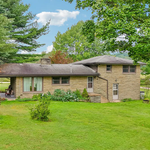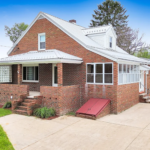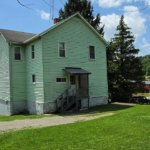
If you own a home in Lucerne Mines and you are wondering whether your situation qualifies for a cash sale, you are not alone. We work with homeowners whose properties have problems that make a traditional sale difficult, slow, or simply unrealistic.
The word “distressed” gets used a lot in real estate — but it covers a wide range of situations. Some are obvious, like a roof caving in or a furnace that gave out years ago. Others are less visible, like a title with legal complications or a mortgage that has slipped into default. Understanding where your property falls helps you make a clearer decision about your next step.
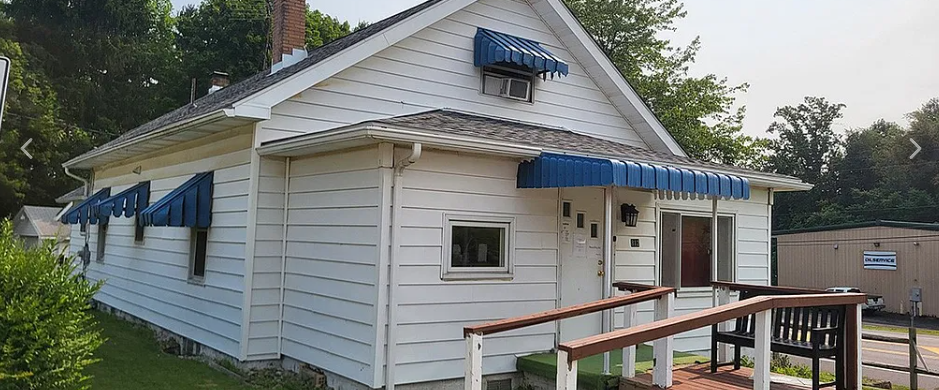
What Does the Term Distressed Property Actually Mean?
A distressed property is any home where the owner, the home itself, or both are under significant strain. That strain can be financial, physical, or legal. What matters is that the strain creates a barrier to selling through normal real estate channels.
Traditional buyers using bank financing face strict requirements. Lenders will not approve a mortgage on a home that fails inspection, has unresolved title issues, or is in disrepair. That leaves many homeowners stuck with a property they cannot easily sell.
The Two Categories of Distress
Distress generally falls into two buckets: property distress and owner distress. Property distress refers to the physical or legal condition of the home itself. Owner distress refers to the circumstances surrounding the homeowner — financial hardship, a legal event like divorce or probate, or a pressing need to relocate.
Both types often show up together. A homeowner dealing with financial pressure may have delayed repairs for years, creating physical deterioration alongside the financial strain.
Why the Condition of the Home Matters
Buyers who depend on mortgage loans face lender restrictions that make purchasing a run-down home nearly impossible. A home with deferred maintenance can fail an appraisal or a lender’s property condition requirements, blocking the sale entirely.
This is why many homeowners in Lucerne Mines and throughout Indiana County find themselves unable to move forward with a conventional listing. The home simply does not meet the bar that financed buyers require.
Where Lucerne Mines Properties Fit
Lucerne Mines is a small community in Indiana County, PA, and many of its homes are older. Older homes naturally accumulate wear over time. Plumbing systems age, electrical panels become outdated, foundations settle, and roofs eventually reach the end of their lifespan.
None of this makes a home worthless. It does, however, make it harder to sell through a real estate agent to a buyer using a conventional loan.
What Types of Problems Qualify a Home as Distressed?
No single checklist defines every distressed property. The situations we encounter across Indiana County vary widely — but certain patterns come up again and again.
Physical Conditions That Signal Distress
A property in poor condition typically shows visible signs of neglect or damage. These might include a damaged or failing roof, water intrusion or active leaks, crumbling foundations, outdated or unsafe electrical wiring, non-functional plumbing, mold growth, or major structural problems.
These issues do not need to be catastrophic to matter. Even moderate deferred maintenance — the kind that builds up when repairs get postponed season after season — can push a property out of the range of conventional buyers. A furnace that technically runs but is well past its expected lifespan. Windows that no longer seal properly. A bathroom with water damage behind the walls. Each of these raises flags in an inspection.
Homes vacant for extended periods tend to develop these issues faster. Without regular occupancy, small problems grow into larger ones.
Financial and Mortgage-Related Distress
A home can be physically sound but still qualify as distressed because of the owner’s financial situation. Mortgage default is one of the most common examples. When payments fall behind, lenders begin foreclosure — and a property in foreclosure is legally encumbered in ways that complicate a traditional sale.
Other financial situations also create distress: unpaid property taxes that result in a tax lien, code violations with fines attached, or judgments placed against the property by creditors. Any of these can cloud the title and make it difficult to transfer ownership cleanly.
Legal and Ownership Complications
Probate properties are another major category. When a homeowner passes away, the estate must go through a legal process before the property can be sold. If the estate is contested, if heirs disagree, or if there is no clear will, the process becomes more complex. The home may sit vacant during this period — adding physical deterioration to an already complicated ownership picture.
Divorce introduces similar challenges. When two people co-own a property and their relationship ends, selling the home becomes tied to a legal proceeding. Disagreements over price, timing, or how to divide proceeds can stall a conventional sale for months.
Why Do Distressed Homes Often Need a Different Kind of Buyer?
The real estate market has two tracks. One involves the traditional process: a listing agent, open houses, financed buyers, lender appraisals, and months of waiting. The other involves a direct sale to a cash buyer who does not require the home to be in any particular condition.
Unwanted and run-down properties almost always belong on the second track.
Financed Buyers Cannot Always Close
When a buyer applies for a mortgage, the lender orders an appraisal and often a separate inspection. If the home has significant problems, the lender may refuse to fund the loan entirely — or require repairs before closing. The seller is then left with a choice: make expensive repairs upfront, accept a lower price, or start over with a new buyer.
Sellers who cannot afford those repairs, or who simply do not want to manage a renovation project, often find themselves back at square one after weeks of waiting.
An As-Is Sale Removes the Repair Requirement
An as-is home sale means the property transfers in its current condition — no repairs, cleaning, or updates required from the seller. We buy homes exactly as they stand. A seller does not need to hire a contractor, deal with inspectors, or spend money preparing the home before it can close.
This model works because we do not use bank financing. We evaluate the property ourselves, make a straightforward offer based on what we see, and the seller decides whether it works for them. No lender sits in the middle adding requirements or conditions.
No Commissions and No Closing Costs
Beyond the repair issue, traditional sales carry costs that further reduce what a homeowner actually receives. Agent commissions typically run several percentage points of the sale price, and sellers also commonly pay a share of closing costs.
When we purchase a property directly, the seller pays none of those fees. No commissions, no closing costs. The offer we make is the amount the seller receives.
We are a local, family-led operation serving Indiana County — and we understand this community and the specific pressures homeowners here face. For Lucerne Mines homeowners dealing with a distressed property, selling your house as-is to a direct cash buyer in Indiana County is often the most practical path when a conventional listing simply is not realistic.
Frequently Asked Questions
Does my house have to be in bad shape to sell to a cash home buyer in Lucerne Mines?
The home’s physical condition does not determine whether we can buy it. We purchase homes across all conditions — from properties with significant structural damage to homes that are simply unwanted or tied up in a complicated ownership situation. The seller’s circumstances matter just as much as the home’s physical state.
What happens if my home has unpaid taxes or a lien against it?
Liens and unpaid taxes are common in distressed property sales and do not automatically prevent a sale from moving forward. These obligations are typically resolved at closing — often paid directly from the sale proceeds. We evaluate each property individually and walk through any title issues that come up during our review.
Do I need to clean out the home or make any repairs before selling?
No cleaning, repairs, or staging are required before selling to us. The home transfers in its current condition, including any contents the seller chooses to leave behind. Our process is built to remove those burdens, not add them.