
Owning a rental property with difficult tenants is one of the most draining situations a landlord can face. If you’re searching for a cash buyer in Blairsville, PA, you’re probably wondering whether you have to finish the eviction first. In many cases, you don’t. You can often sell a tenant-occupied home to a direct cash buyer without waiting for a court order or clearing the property yourself.
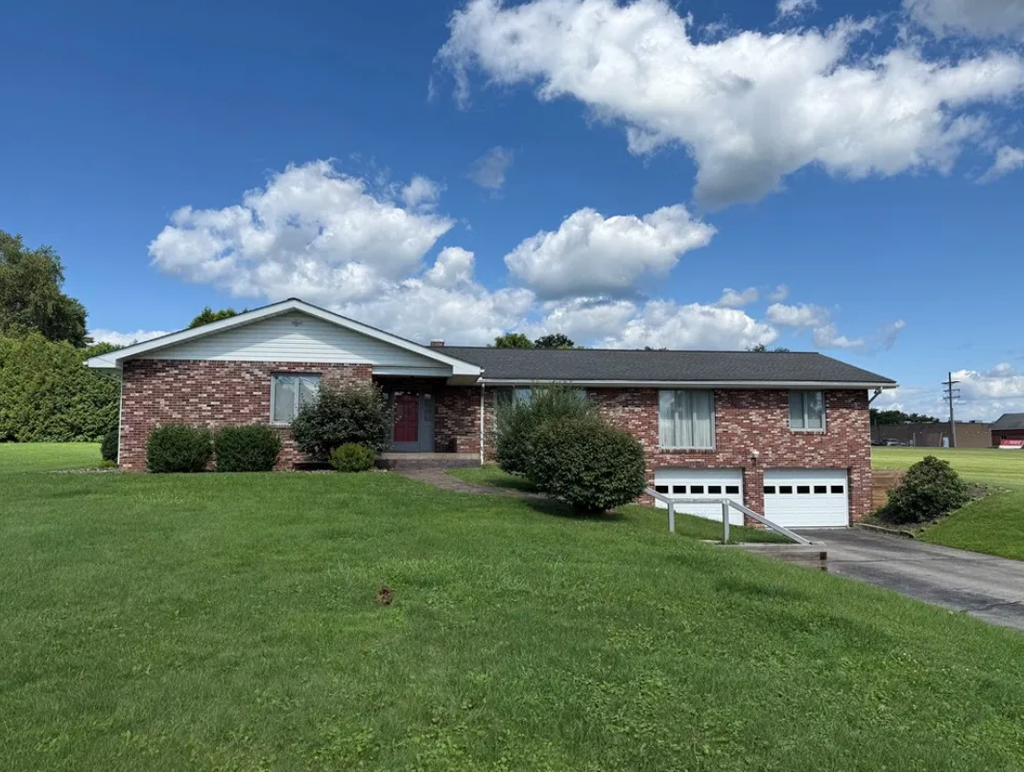
Can You Sell a Rental Property With Tenants Still Living in It in Pennsylvania?
Pennsylvania law generally doesn’t require a property to be vacant before you sell it. A sale transfers ownership, including whatever tenancy situation exists at closing. The buyer steps into the landlord role, along with existing leases, month-to-month agreements, and sometimes occupants who have no legal right to be there.
What Happens to the Tenants After the Sale?
When a property sells, the new owner inherits the occupant situation. If a tenant has a valid lease, Pennsylvania law generally expects the new owner to honor it until it expires. A month-to-month tenancy gives the new owner more flexibility, but state law still requires notice before ending occupancy. A local real estate attorney can confirm the current notice periods that apply to you.
Can You Sell With a Squatter on the Property?
Squatter removal is a separate legal process from a standard eviction, and it can be more complicated because squatters often have no written agreement with the owner. That doesn’t necessarily leave you stuck. Some cash buyers will purchase a property with unauthorized occupants and deal with the situation after closing as the new owner, so you may not need to resolve it before the sale.
Do Lease Complications Stop a Cash Sale?
Usually not. A short remaining lease term, a lease that was never put in writing, or a lease with unusual terms generally doesn’t prevent a sale. These details affect how a buyer evaluates the property and what offer they make, but they don’t automatically make the property unsellable.
What Do Cash Home Buyers Near Blairsville Look at When a Property Has Tenants?
Not every cash buyer approaches an occupied property the same way. Some investors sign contracts and hand them off to someone else, which creates uncertainty about whether the final buyer will close. Ask any buyer whether they purchase directly or plan to assign the contract.
How Does the Property’s Condition Matter?
Cash buyers typically buy as-is, so they assess the physical condition instead of expecting you to fix it. A tenant-occupied home often has deferred maintenance, occupant-caused damage, or systems that haven’t been serviced in years. Those issues usually don’t disqualify a property. The buyer accounts for repair costs in the offer.
What Role Does the Type of Tenancy Play?
A paying tenant with a lease, a non-paying tenant you’ve already started eviction proceedings against, and a squatter with no legal claim are all different situations. Each affects the value and the post-closing process differently. A tenant who is current on rent with eight months left on a lease is a different scenario than one who hasn’t paid in four months and has ignored every notice. Being clear about which situation you’re in helps a buyer give you an accurate offer. If you want to see what that looks like, you can sell your tenant-occupied rental house as-is without finishing the eviction.
What About Liens, Code Violations, and Back Taxes?
Unpaid landlord utilities, code violations, municipal liens, and back taxes don’t automatically disqualify a property. They often surface during a title search and get factored into the transaction. If you’re unsure what’s attached to the property, a title company or real estate attorney can pull a preliminary report before you accept any offer.
What Should a Landlord Disclose When Selling an Occupied Property for Cash?
Disclosure obligations in Pennsylvania apply whether you sell to a cash buyer or list with an agent. Being upfront protects you legally and keeps the process moving without surprises.
Which Known Defects Must You Disclose?
Pennsylvania’s seller disclosure law generally requires you to disclose known material defects, such as structural issues, roof problems, water intrusion, and HVAC failures. Tenant-caused damage doesn’t exempt you if you know about it. When in doubt, disclose and let the buyer evaluate.
What Lease and Rent Information Should You Share?
If there’s a written lease, the buyer needs a copy. If the tenancy is verbal or month-to-month, put that in writing as part of your disclosures. Share the current rent amount, whether rent is current or in arrears, and the length of any remaining lease term. A buyer needs this information to price the property accurately.
Should You Disclose Active Eviction Proceedings?
Yes. If you’ve already filed for eviction, tell the buyer. The stage of the proceedings, whether you’re at the initial filing, waiting for a hearing, or past a judgment, affects the timeline and the property’s status. Withholding this information isn’t in your interest and can create legal exposure after closing.
What About Code Violations and Municipal Orders?
Disclose any open code violation or order from the municipality. Open violations can sometimes complicate the title transfer if they attach to the property instead of the owner. A title professional can help clarify whether an open violation affects the deed.
Selling a property you no longer want to manage is a reasonable landlord exit strategy, and doing it with tenants in place is more common than many people assume. If you’re ready to explore it, you can get a cash offer for your Indiana County rental property without clearing the property first.
Here’s a simple checklist to prepare before sharing your property details with any cash buyer:
- Gather any written leases or rental agreements currently in effect
- Note whether rent is current, in arrears, or has never been paid
- Write down any open eviction proceedings and what stage they’re at
- List known repairs or damage the tenants have caused
- Pull any municipal notices, code violations, or tax bills attached to the property
- Check for any liens on the title you’re aware of
Having these details ready makes the evaluation cleaner for everyone. You don’t need everything solved, just documented.
Frequently Asked Questions
Do I have to evict my tenants before selling to a cash buyer in Pennsylvania?
Not necessarily. Ownership of the property, along with whoever lives in it, transfers to the buyer at closing. Many cash buyers purchase occupied properties and take over the occupant situation, so responsibility for post-closing eviction or lease management typically shifts to the new owner. Confirm this in your purchase agreement.
How do cash buyers in Blairsville, PA handle squatters on the property?
Some buyers will purchase a property with an unauthorized occupant and handle the removal process after taking ownership. You should still disclose that an unauthorized occupant is present so the buyer can account for it properly.
What if my rental property has code violations or back taxes? Can it still be sold for cash?
Often, yes. These obligations commonly show up in a title search and get factored into the transaction. In some cases, proceeds from the sale can be used to satisfy those balances at closing. A title company or real estate attorney familiar with Indiana County can explain how it works in your situation.