
When you get a cash offer for your house, the number you receive isn’t random. Cash buyers may consider many of the same general factors, but each buyer can use a different valuation method. CMS Homes should explain the specific inputs used in its own offer calculation.
Understanding those factors puts you in a much stronger position. You know what to expect, you can ask better questions, and you walk into the process with confidence instead of uncertainty.
How Do Cash Buyers Calculate What Your Home Is Worth?
The starting point for any cash offer is assessing the property and the economics of the proposed purchase. We do not pull a number out of thin air. The math behind a cash offer follows a straightforward process that any experienced buyer uses.
The After Repair Value
After repair value, or ARV, is the estimated price your home would sell for on the open market if it were fully updated and in excellent condition. This is the ceiling. It represents what the property could be worth once all the work is done.
We research recent sales of similar homes in your area to establish this number. It gives us a realistic picture of what the market is currently paying for homes like yours.
Comparable Sales in Your Neighborhood
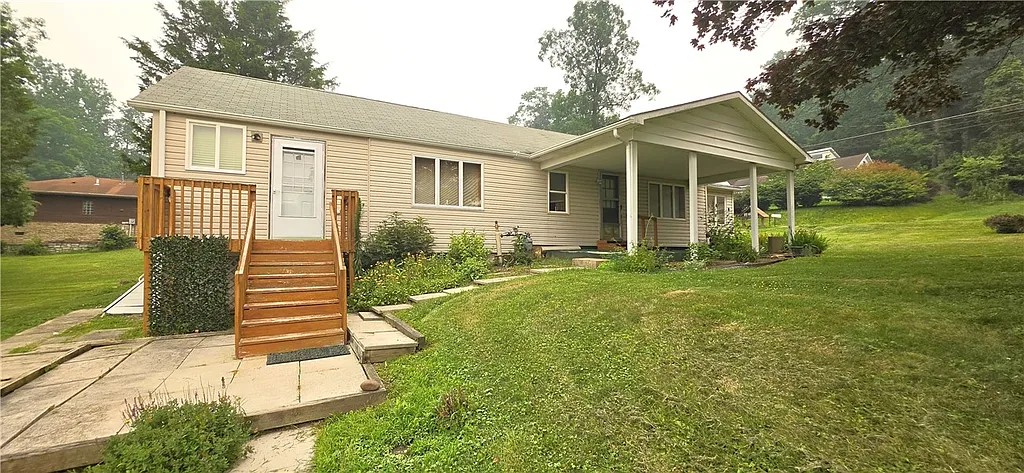
Comparable sales, sometimes called “comps,” are the backbone of any home valuation. These are recent sales of homes similar in size, age, and layout to yours. We review recent sales, giving greater weight to properties with similar locations, sizes, conditions, designs, and other characteristics.
In Indiana, PA, that means looking at what similar properties have actually sold for in your specific part of town. A home on one street can have a meaningfully different value than a similar home just a few blocks away. Local knowledge matters here.
The Cost of Repairs and Updates
Once we know the ARV, we factor in the realistic cost of bringing the home to that condition. This includes repairs, updates, carrying costs while the work is being done, and the cost of eventually reselling the property.
Our offer reflects those expenses. That is why a cash offer is typically lower than what a fully updated home sells for on the traditional market. We are absorbing the cost and risk of that work.
Does the Condition of Your House Change the Cash Offer Amount?
Property condition is one of the most direct factors in calculating a cash offer. The gap between a move-in-ready home and one that needs significant work is real, and it shows up in the numbers.
What We Look at During a Property Review
When we evaluate a home, we start with the major systems. That includes the roof, foundation, HVAC, plumbing, and electrical. These are the expensive repairs that carry the most financial weight. A home with a failing roof or an outdated electrical panel requires a much larger investment than one that needs only cosmetic updates.
We also assess the general condition of walls, floors, windows, and fixtures. These affect both the repair budget and how quickly the home can be resold after the work is complete.
Cosmetic Issues vs. Structural Problems
A home that needs fresh paint and new carpet differs significantly from one with water damage, mold, or foundation issues. Cosmetic repairs may be less complex than major structural work, but actual costs still depend on materials, labor, and project scope. Structural problems take more time, cost more, and can bring unpredictable complications.
That said, neither situation disqualifies a home from receiving a fair offer. We work with properties across the full spectrum of conditions because that flexibility separates a cash sale from a traditional listing.
Selling As-Is and What That Means for You
One of the clearest advantages of a cash sale is that you do not have to make any repairs before selling. Listing on the open market often means spending money upfront on repairs just to attract buyers. With a cash buyer, the offer already accounts for the property’s condition. You sell the home exactly as it sits.
This is especially valuable for homeowners dealing with inherited properties, extended vacancies, or homes that have fallen behind on maintenance over the years.
How Does Location in Indiana, PA Affect Your Offer?
Location is one of the oldest truths in real estate for a reason. Where a home sits directly affects what buyers will pay for it, and that applies to cash offers just as much as to traditional sales.
Neighborhood Demand and Buyer Activity
Some parts of Indiana, PA, see more consistent buyer interest than others. Homes in neighborhoods with strong demand tend to have higher comparable sales, which raises the ARV and ultimately supports a stronger offer. Areas with slower turnover or fewer recent sales make it harder to establish a confident value estimate, which can lead to more conservative offers.
This is not a judgment about any neighborhood. It simply reflects how the local market behaves.
Proximity to Schools, Employers, and Amenities
Buyers who eventually purchase a renovated home care about what surrounds it. Proximity to Indiana University of Pennsylvania, local employers, shopping, and everyday conveniences all play into fair market offer calculations. These are the same factors that drive traditional buyers, and they carry over into our assessment of resale potential after renovation.
Property Taxes and Holding Costs
Local property tax rates affect how much it costs to hold a home while renovation work is underway. Higher carrying costs reduce the margin available on any given property, and that reality gets reflected in the offer. In some parts of Indiana County, tax assessments vary considerably from one municipality to the next, so we always review this factor carefully.
What Else Shapes the Final Number?
Beyond condition and location, a few additional factors round out the picture of what your home is worth to a cash buyer.
The Current Real Estate Market
Real estate markets shift. When inventory is low and demand is high, values climb. When the market softens, values adjust accordingly. The offer you receive today is anchored to current home valuation factors, not to what the market looked like two years ago or what it might do next year.
Title, Liens, and Outstanding Obligations
If a property has outstanding liens, back taxes, or title issues, those factors affect the overall equation. They do not necessarily kill a deal, but they do affect the net amount a seller walks away with. Being upfront about these details early makes the process smoother for everyone.
Motivation and Timeline
Flexibility on your closing timeline can sometimes create room for a stronger offer. When a seller needs to move quickly, that urgency is understandable, and we work to accommodate it. When a seller has more time, that flexibility can occasionally support a different structure. Every situation is unique, and the goal is always to find a solution that makes sense for you.
Frequently Asked Questions
How is a cash offer different from what a home would sell for on the market?
A cash offer accounts for the cost of repairs, the time needed to complete them, and the expense of eventually reselling the home. Traditional market prices typically reflect a fully updated, move-in-ready property. The difference between the two is not a discount for its own sake. It reflects the real cost of work a cash buyer takes on, so you don’t have to.
What can I do to improve the cash offer I receive on my house?
Providing complete and accurate information about your home upfront is the most effective thing you can do. Surprises during the evaluation process tend to create uncertainty, which can lower an offer. If you know about specific repair issues, sharing that information early helps us provide the most accurate estimate possible.
Does the age of my home affect what I can get as a cash offer?
Older homes are not automatically worth less to a cash buyer. What matters more is the condition of the major systems and the overall structure. A well-maintained older home can support a strong offer, while a newer home with significant deferred maintenance may receive a more conservative one. Age is one data point. Condition tells the fuller story.