
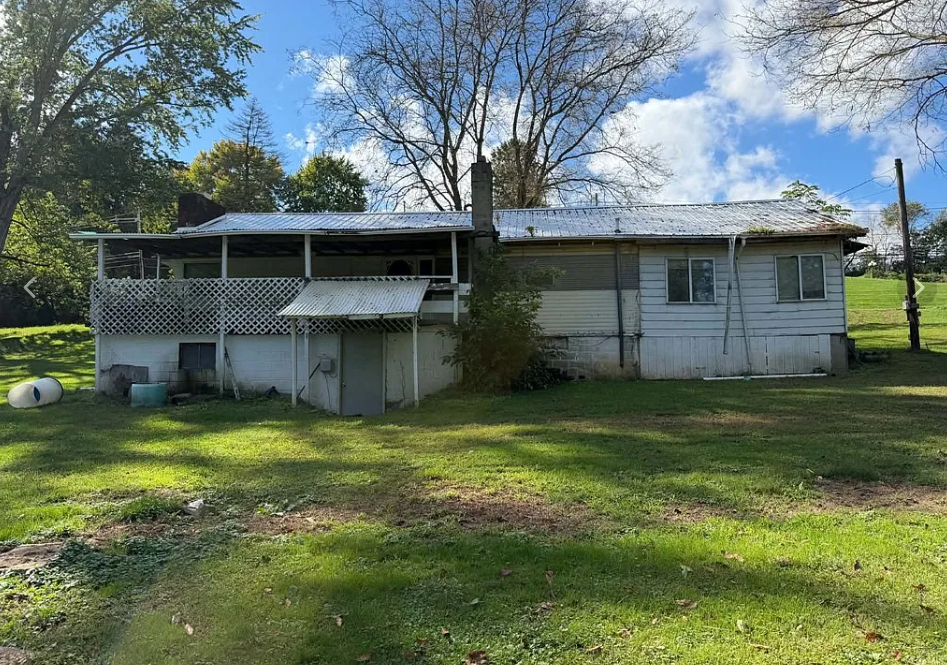
Inheriting a property sounds simple until you walk through the front door. When that property is a distressed house with peeling paint, a failing roof, outdated wiring, or years of deferred maintenance, the path forward gets complicated fast. We work with families across Indiana County, PA — including right here in Indiana Borough — who find themselves holding the deed to a home they never planned to own. The questions they face are almost always the same: What condition is the house actually in? Who has the legal authority to sell it? And is a traditional listing even realistic?
Why Do So Many Inherited Homes End Up in Distressed Condition?
Inherited homes often arrive in rough shape — and it is rarely anyone’s fault.
Age and Deferred Maintenance
Most inherited properties belonged to elderly owners who lived in the home for decades. As people age, keeping up with repairs becomes harder physically and financially. A roof that needed replacing three years ago got patched instead. The furnace that ran rough got coaxed along another winter. These small deferrals compound over time, and by the time a family inherits the home, the list of needed repairs can be significant.
It is also common to inherit a house that has been sitting vacant for months while the estate moves through legal channels. A vacant home deteriorates quickly. Pipes freeze. Pests move in. Small leaks become bigger ones. A house that was livable when the owner passed can be in noticeably worse shape by the time the heirs are ready to make decisions.
Outdated Systems and Code Compliance
Homes built in the 1950s, 1960s, and 1970s often have functional but outdated systems. Knob-and-tube wiring, galvanized plumbing, oil heat, and original single-pane windows are not code violations by themselves — but they are red flags for traditional buyers. Lenders often require repairs or system upgrades before approving a mortgage on a property with known issues. That means sellers often have to spend money on a home they do not fully control yet, or the deal falls apart.
Estate properties in rural and semi-rural areas like Indiana County often require additional considerations — septic systems, well water, and older outbuildings — all of which can draw scrutiny during a standard home inspection.
No Emotional or Financial Investment
When heirs inherit a property, they often have no personal connection to its upkeep. They may live in another city, carry their own mortgage, or simply lack the resources to invest in a house they are trying to sell. The result is a home that sits in whatever condition the previous owner left it, waiting for someone to decide what to do.
How Does Probate Affect the Sale of a Run-Down Inherited Property?
Probate is the legal process by which a deceased person’s estate is settled. It involves validating a will, if one exists; appointing an executor or administrator; identifying debts and assets; and ultimately distributing what remains to the heirs. For real estate, probate determines who has the legal authority to sign a deed.
Selling During the Probate Process
A common misconception is that you cannot sell a probate property until probate is fully closed. In Pennsylvania, you can often sell a property during probate — but the executor must be formally appointed, and the court must authorize the sale. The specifics depend on whether there is a valid will, the estate’s complexity, and whether all parties agree.
When a home is in poor condition, the pressure to sell during probate is especially real. Taxes, insurance, utilities, and basic maintenance costs continue whether anyone is living there or not. Holding onto a distressed property longer than necessary can quietly erode the estate’s value.
The Role of the Executor
The executor is the person named in the will with legal authority to manage and sell estate assets. If there is no will, the court appoints an administrator — which can add time and complexity. Either way, only the person with proper legal authority can enter into a sales contract on behalf of the estate.
We work directly with executors and administrators on inherited house as-is sales. The person managing the estate does not need to clean out the home, make repairs, or prepare it for showings. The property transfers in whatever condition it is in.
When Probate Is More Complicated Than Expected
Not all estates move smoothly. Title issues, old liens, multiple named beneficiaries, or a contested will can slow everything down. A home that seems straightforward on the surface may carry unresolved legal questions that make a traditional sale difficult.
This is one reason why selling an inherited distressed house as-is to a direct cash buyer can simplify the entire process. No financing contingencies, no appraisal requirements, and no lender demanding proof that the roof was replaced.
What Are Your Options When Multiple Heirs Disagree on What to Do With the House?
Heir disagreement is one of the most common reasons inherited properties stall. One sibling wants to sell. Another wants to keep the house in the family. A third lives out of state and just wants the process over. When heirs cannot reach a consensus, the property sits in limbo while costs keep accumulating.
Negotiating a Path Forward
The first step is usually getting everyone on the same page about the property’s financial reality. Holding a run-down home carries real costs. Property taxes in Pennsylvania are due regardless of whether anyone is living there. Homeowner’s insurance on a vacant property is more expensive and sometimes difficult to obtain. And deferred maintenance issues do not resolve themselves over time.
Bringing a concrete cash offer to the table can shift the conversation. When everyone sees a specific number and understands the alternative — a drawn-out listing process with no guarantee of a higher net return after repairs, commissions, and closing costs — the decision often becomes clearer.
When Heirs Cannot Agree at All
If heirs truly cannot agree, Pennsylvania law provides a legal remedy called a partition action. This court proceeding allows a judge to order the property sold and the proceeds divided among the owners. Partition actions are expensive, time-consuming, and often damage family relationships. Most families prefer to avoid them whenever possible.
Selling an estate home to a direct buyer is one of the few options that can resolve a disagreement without court involvement — provided all heirs with a legal interest in the property agree to the sale terms.
Working With Out-of-State Heirs
Indiana County has many families spread across multiple states. When heirs live in different locations, coordinating showings, inspections, repairs, and closing logistics for a traditional sale is genuinely difficult. An as-is sale removes most of those coordination points. No one needs to travel to Indiana, PA to prepare the home for listing. The transaction moves forward with straightforward documentation.
We are a local, family-led buyer, and we understand the practical realities of settling an estate from a distance. We work with the legally authorized party, confirm the process is clean, and handle our side of the transaction without adding unnecessary steps.
Frequently Asked Questions
Do you buy distressed inherited properties in Indiana County, PA?
We buy distressed houses and run-down inherited properties throughout Indiana County, PA — including homes in poor condition, homes with deferred maintenance, and estate properties going through probate. Your home does not need repairs, cleaning, or staging before we make an offer.
What happens if the estate is still in probate when I want to sell?
Selling during probate is possible in Pennsylvania, but the executor or court-appointed administrator must have legal authority to enter into a sales contract. We work with estates at various stages of the probate process and coordinate with the authorized party to move forward appropriately.
How does an as-is cash sale work when there are multiple heirs involved?
When a property has multiple heirs, all parties with a legal interest in the home generally need to agree before a sale can proceed. We work with the executor or administrator to confirm that proper authorization is in place. For families navigating heir disagreement, a concrete offer often helps clarify the decision and brings the process to a resolution everyone can accept.