
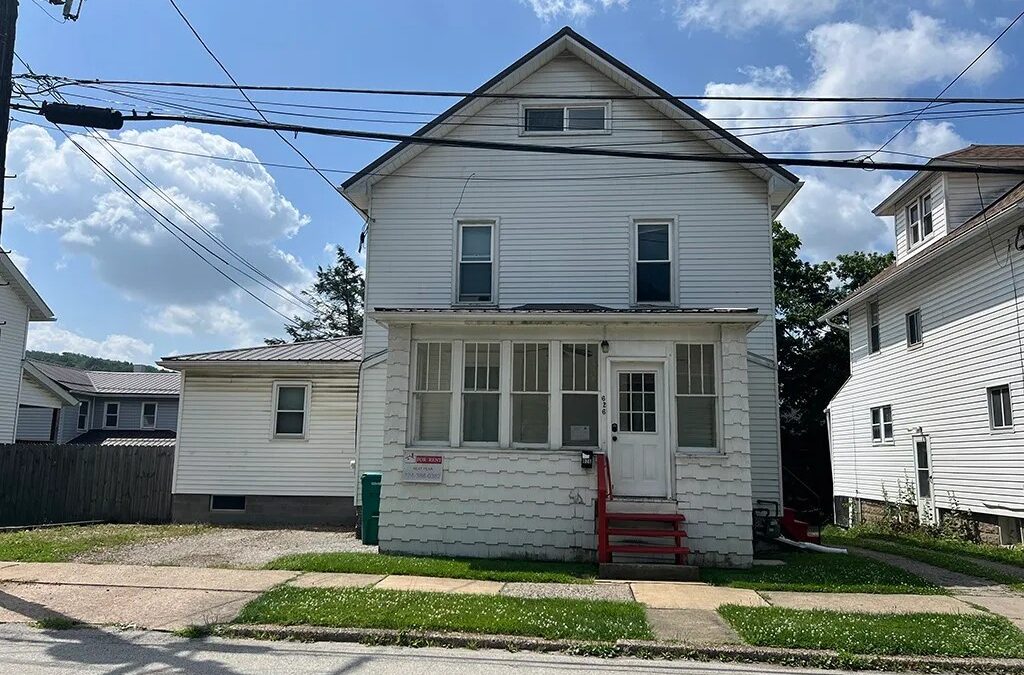
Discovering mold in your home can feel like the end of the road for a sale, but selling a house with mold in Indiana, PA, is still possible. Mold is a serious issue, no question, but it does not automatically disqualify your property or leave you without options.
Does Mold Stop You from Selling Your House in Indiana, PA?
The short answer is no. Mold complicates a sale, but it does not make one impossible.
Pennsylvania Law and Seller Disclosure
Indiana, PA, sellers generally need to disclose known material defects when the seller disclosure law applies. Mold, moisture intrusion, water damage, or hidden conditions related to mold may need to be disclosed if they are known and materially affect the property. Selling as-is does not authorize a seller to hide known problems, but disclosure duties may depend on the transaction, exemption status, and the facts involved.
This does not mean you must fix the mold before selling. Disclosure and remediation are two different things. You can disclose the issue, price the property accordingly, and still move forward with a sale. Some sellers choose to disclose the issue, price the property accordingly, and compare as-is selling options before deciding what to do next.
What Happens When a Buyer’s Lender Gets Involved
Here is where mold creates the most friction in a traditional sale. When a buyer uses a mortgage, the lender orders an appraisal. If the appraiser flags mold, especially black mold, in the house, the lender may require remediation before approving the loan. This can stall a sale for weeks or even kill the deal entirely.
Banks protect their investment, and a home with significant mold growth is a risk they often refuse to absorb. That is why financed buyers may face more lender or appraisal requirements when a property has mold damage.
Selling As-Is Is a Real Option
An as-is home sale is exactly what it sounds like. You sell the property in its current condition, mold and all, without making repairs beforehand. Cash buyers are the most common source for as-is sales because no lender requires the property to meet a certain standard. The buyer accepts the property as is, and the sale may involve fewer repair-related negotiations, which can complicate matters.
What Types of Mold Are Most Common in Indiana, PA Homes?
Indiana’s humid summers and cold, wet winters create ideal conditions for mold growth. Knowing what type of mold you are dealing with helps you understand the scope of the problem before listing.
Black Mold and Toxic Varieties
Black mold in house situations tends to generate the most concern, and for good reason. The strain most people refer to when they say “black mold” is Stachybotrys chartarum, which thrives in areas with consistent moisture, such as basement walls, around leaking pipes, and behind drywall. It appears dark green or black and has a slimy texture.
Mold exposure can affect people differently. Some people may experience nasal congestion, coughing, throat irritation, eye irritation, asthma symptoms, or allergic reactions, while others may have little or no reaction. Because visible mold can indicate an underlying moisture problem, it should be evaluated carefully rather than minimized. Buyers and their agents are well aware of this, which is why it raises immediate red flags during showings or mold inspections before a sale.
Cladosporium and Aspergillus
These two varieties are far more common and are found in many homes in Indiana without the owners even knowing. Cladosporium typically grows on fabrics, wood surfaces, and inside HVAC systems. Aspergillus appears in damp areas like bathrooms and crawl spaces.
Neither is considered as hazardous as black mold, but both still require disclosure under Indiana, PA real estate laws and will show up during any professional inspection. Even lower-risk mold strains can concern traditional buyers investing their savings and seeking a clean property.
Surface Mold Versus Structural Mold
Not all mold is equal when it comes to impact on a sale. Surface mold, meaning mold that sits on top of a non-porous material like tile or sealed concrete, can often be cleaned with the right products without professional remediation. Structural mold is a much bigger issue. When mold penetrates drywall, wood framing, or subflooring, the affected material usually needs to be removed and replaced. This kind of damage can cost anywhere from a few thousand dollars to well over $30,000, depending on how far it has spread.
How Does Mold Affect Your Home Sale Options?
Mold changes the math of a sale, but it does not eliminate your choices. The path that makes the most sense depends on how extensive the mold is, your timeline, and how much money you are willing or able to put into the property before selling.
Selling Through a Traditional Listing Agent
Listing with a real estate agent and marketing to retail buyers is still possible, but it requires more preparation when mold is present. You will likely need a mold inspection before selling, so you know exactly what a buyer’s inspector will find. Surprises during inspection are one of the top reasons deals fall apart.
If the mold is minor and limited to a single area, remediation may cost less than the price drop you would otherwise take. In that case, fixing it before listing could net you more money. But for homes with extensive or structural mold damage, remediation costs can easily exceed what you would gain by getting a retail offer.
Pricing for a Discounted Cash Offer
When remediation costs are high, pricing the home to reflect that damage and selling to a cash buyer is often the more practical route. Cash buyers who purchase properties as-is factor in remediation costs when making an offer. The offer will be lower than a retail sale, but you avoid contractor costs, extended timelines, and the risk of a deal collapsing when a lender backs out.
For homeowners dealing with significant mold damage, this is frequently the option that causes the least stress and gets to closing the fastest.
Working with CMS Homes on a Mold-Affected Property
CMS Homes reviews properties in a wide range of conditions, including homes with mold concerns, water damage, deferred maintenance, and repair issues. That may include homes with surface mold, suspected hidden moisture issues, water damage, or more significant mold concerns, depending on the property and situation. We assess the property honestly, account for the extent of damage, and put together an offer that reflects the home’s value given its current condition.
A direct cash sale may reduce concerns about repairs, staging, financing, and repeated showings. However, the final terms still depend on the property’s condition, title work, disclosure issues, taxes, liens, contract terms, and any closing requirements. We explain how the property’s condition factors into the offer so you can compare it with your other options.
If you are trying to sell a house with mold in Indiana, PA, and want to understand what a cash offer might look like for your specific situation, the process starts with a straightforward conversation about the property.
Frequently Asked Questions
Do I have to disclose mold when selling a house in Indiana, PA?
Pennsylvania’s seller disclosure law generally requires sellers to disclose known material defects when the law applies. Mold, moisture intrusion, water damage, or hidden conditions related to mold may need to be disclosed if they materially affect the property. Some transfers may be exempt, so sellers should confirm their obligations with a Pennsylvania real estate attorney or settlement professional.
Can I sell a house with mold without fixing it first?
It may be possible to sell a house with mold without completing remediation first, especially if the buyer understands the condition and the contract reflects the property’s current state. Known mold, moisture, or water-damage issues should still be disclosed where required, and the buyer, lender, title company, and contract terms may affect what has to happen before closing.
How does mold affect a home’s value in Indiana, PA?
Mold can affect value based on the extent of the growth, the moisture source, whether repairs are needed, whether porous materials are affected, and how buyers, lenders, and inspectors respond to the condition. A small, isolated issue is different from mold caused by water intrusion, damaged drywall, framing, subflooring, or HVAC issues.