
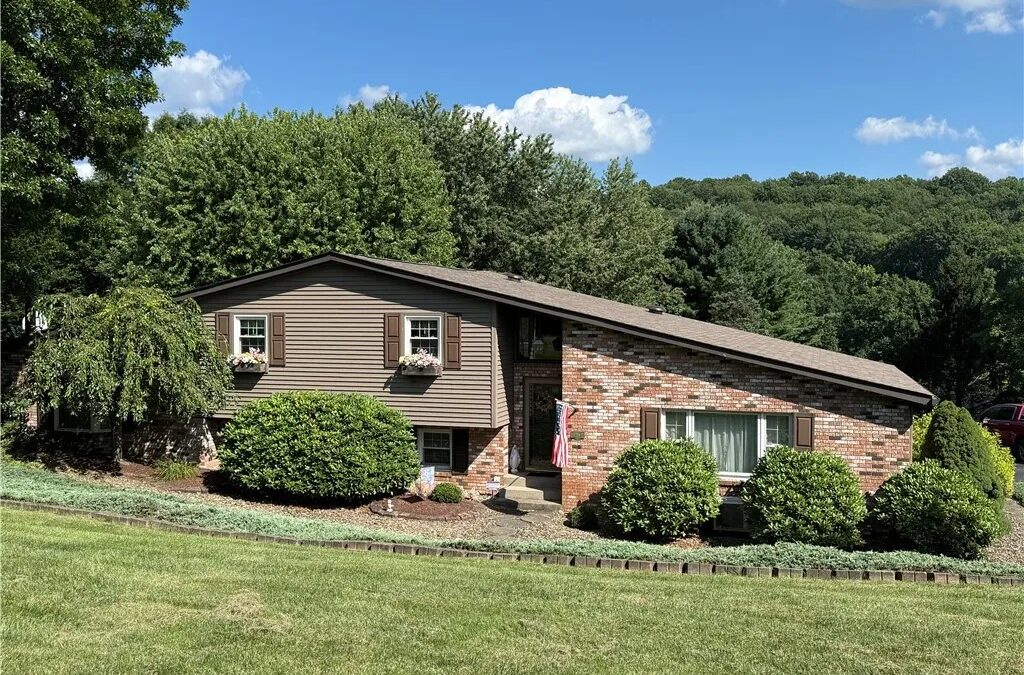
Comparing a direct cash sale with a traditional listing in Indiana, PA, is less about choosing the option with the shortest advertised timeline and more about understanding which steps and obligations come with each transaction. We encourage homeowners to compare property preparation, buyer financing, inspections, contingencies, title requirements, seller-paid costs, and expected net proceeds before deciding which approach fits their situation.
A financed open-market sale usually involves a buyer’s mortgage lender and its underwriting requirements. A cash purchase removes that financing layer, but title, liens, property-condition terms, due diligence, and closing requirements can still affect the transaction.
How Long Does a Traditional Home Sale Take From List to Close?
A traditional sale moves through a predictable set of stages, and each stage adds time. Most Indiana, PA homeowners are surprised to learn just how many separate steps stand between signing a listing agreement and walking away from the closing table.
Getting the Home Market-Ready
Before a listing goes live, the work begins at home. Preparing a home for the open market may involve cleaning, decluttering, repairs, staging, photography, and other listing preparation depending on the property. If the home needs significant updates to compete in the local market, that preparation window can stretch even longer. This phase is invisible to buyers but eats real calendar time on your end.
Days on Market and Offer Negotiations
Once listed, a home’s days-on-market clock starts ticking. In a balanced or slower market, Armstrong, PA homes can sit for two to six weeks before attracting a serious offer. Even in a competitive market, you may receive offers that require counter-negotiations, adding more days to the process.
The Mortgage Approval Delay and Contingencies
A financed buyer must satisfy the lender’s underwriting requirements before the loan can be funded. That may involve verification of income, assets, debts, credit, appraisal requirements, and other loan conditions.
On top of financing, buyers using traditional mortgages almost always include contingencies in their offers. Contingency removal milestones, including inspection contingencies, appraisal contingencies, and financing contingencies, each have their own deadlines. If any of these fall apart, the deal restarts from scratch.
Where Does a Cash Sale Save the Most Time?
Switching to a cash sale does not just shave a few days off the process. It removes entire stages that exist only because a lender is involved. The structural difference between the two timelines is significant, and it shows up in very concrete ways.
No Lender, No Underwriting Wait
When a buyer pays cash, there is no bank to satisfy. That means no loan application, no appraisal required by a lender, and no underwriting process to wait on.
Fewer Contingencies and a Streamlined Process
Cash offers from buyers like us typically come with far fewer contingencies than a financed offer. We review the property as-is, which eliminates the back-and-forth over repair requests and inspection negotiations. That removal of contingency layers means fewer opportunities for a deal to fall apart, and fewer things standing between the accepted offer and the closing date.
Which Option Makes More Sense Based on Your Timeline?
There is no single right answer for every homeowner. The best choice depends on your specific situation, your financial goals, and how much time you actually have. Breaking it down by circumstance makes the comparison clearer.
When a Traditional Sale Might Make Sense
If time is not a pressure and your home is in strong condition, a traditional listing can work well. Homes in good shape in desirable neighborhoods often attract financed buyers willing to pay at or above market value. A traditional sale also gives you the full reach of the open market, which can be advantageous when competition among buyers drives up offers.
When a Cash Sale Fits Better
Some situations call for speed and certainty over maximum sale price. A job relocation, an inherited property you cannot maintain, a divorce, mounting repair costs, or the early stages of financial hardship are all scenarios where waiting two to three months is not realistic. In those cases, the ability to close on a firm timeline without contingency risk carries real value that goes beyond what a higher sale price might offer.
As a local cash home buyer serving Indiana, PA, we work with sellers who need a clear path forward without the guesswork. The comparison should focus on expected net proceeds, seller obligations, financing conditions, repair requirements, and contract terms.
Understanding the True Cost of Time
Every month a home sits unsold means another mortgage payment, insurance premium, and utility bill. For sellers who have already moved or who are managing a vacant property, those carrying costs accumulate quickly. When you run the math on a three-month traditional sale versus a faster cash closing, the final net difference between the two options is often smaller than sellers expect, because time has a real dollar value attached to it.
Frequently Asked Questions
How fast can you sell a cash house compared to listing with an agent?
A traditional listing in Indiana, PA typically takes 60 to 90 days from start to close when you factor in market time, financing, and contingency removal. A cash sale removes the lender entirely, which eliminates the longest delays in that process. We work on the seller’s schedule and can often close in a fraction of that time when the title is clear and both parties are ready to move forward.
Will I get less money selling my house for cash?
Cash offers are often below full retail market value. Still, the net difference is smaller than it appears once you subtract agent commissions, seller-paid closing costs, repair concessions, and the carrying costs of a longer sale. Every seller’s situation is different, and the right answer depends on how you weigh speed and certainty against maximizing your sale price.
Do I need to make repairs before selling to a cash buyer?
We purchase homes as-is, which means sellers do not need to make repairs, clean out the property, or invest in updates before closing. The condition of the home is factored into our offer rather than listed as a condition of the sale. That approach saves sellers both money and the time it would otherwise take to prepare a home for the open market.