
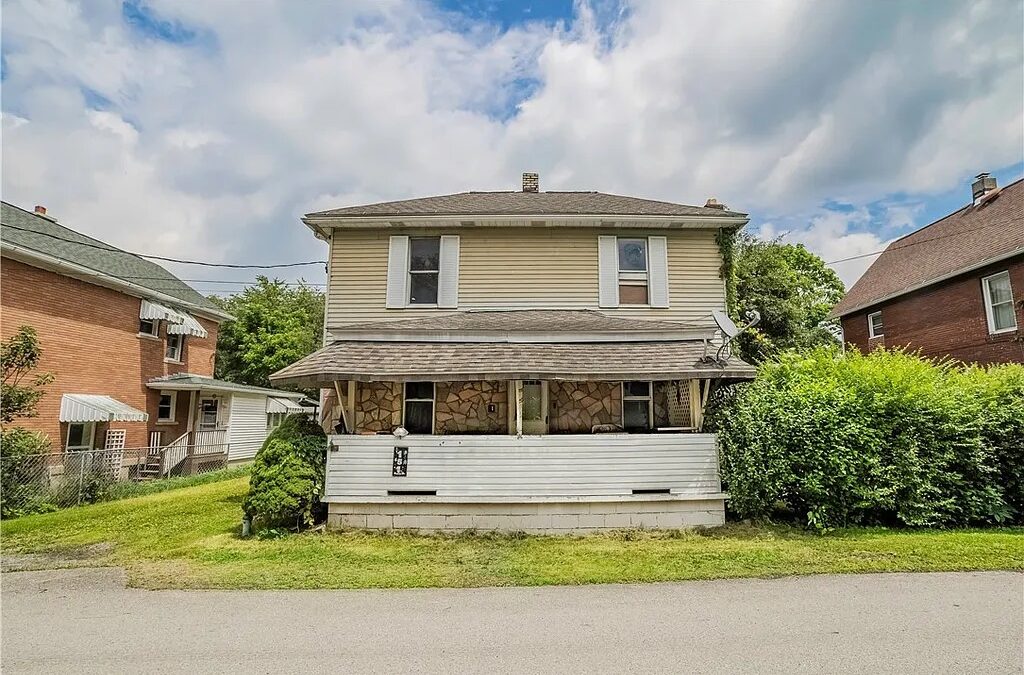
When a home in Indiana, PA, needs major roof, foundation, or HVAC work, the condition can affect more than the repair budget. At CMS Homes, we encourage sellers to look at how those defects may affect buyer financing, inspections, negotiations, and the property’s as-is value before deciding whether to repair or sell in its current condition.
A serious defect does not automatically make a home unsellable, and not every lender treats the same condition the same way. The result depends on the severity of the problem, the buyer’s loan program, the appraisal findings, and the terms of the purchase agreement.
Why Do Lenders Reject Homes With Roof or Foundation Problems?
Most buyers in Indiana, PA are financing their purchase with a mortgage. That financing comes with rules, and those rules protect the lender as much as the buyer. When a home has serious structural or system-level damage, the lender may refuse to approve the loan entirely.
What Lenders Look For During the Appraisal
Before a mortgage is approved, the lender orders an appraisal. The appraiser is not just estimating value. They are also checking whether the home meets minimum property standards set by loan programs like FHA, VA, and USDA.
These standards require that a home be safe, sound, and structurally secure. A failing roof, a cracked foundation, or a broken HVAC system can trigger what is called a lender-required repair. The lender tells both parties that the issue must be resolved before the loan will close. If it is not, the deal falls apart.
The Three Systems That Kill the Most Sales
Significant roof damage can create financing concerns when it affects safety, structural integrity, or the home’s ability to protect the interior from weather. An appraiser who spots missing shingles, active leaks, or sagging decking will flag it immediately. FHA loans in particular require that the roof have at least two years of useful life remaining. If yours does not, a financed buyer cannot close.
Foundation problems raise a different kind of fear. Lenders worry about structural integrity, and buyers worry about long-term safety. Even minor-looking cracks in a basement wall can trigger an engineering inspection requirement, which adds time, cost, and uncertainty to the sale.
HVAC systems matter too. A home that cannot be heated or cooled to a functional temperature will often fail FHA, VA, and USDA inspections. If the furnace is dead or the central air is barely limping along, the lender may require replacement before they approve the loan.
Why Buyers Cannot Always Pay for Repairs
It is tempting to think the buyer could just negotiate a price reduction and handle the repairs themselves after closing. With conventional financing and healthy credit, that sometimes works. But with government-backed loans, it rarely does. The repairs must happen before closing, not after. That leaves the cost squarely on the seller unless they sell the house as-is.
How Much Does It Cost to Fix HVAC, Roofing, and Foundation Issues?
These three systems are also three of the most expensive things in any home. Understanding realistic foundation repair costs, HVAC replacement costs, and roof replacement costs in Indiana, PA is critical before deciding what to do.
Roof Replacement Cost in Indiana, PA
A full roof replacement on a typical single-family home in western Pennsylvania runs between $8,000 and $20,000 depending on size, pitch, and materials. Asphalt shingles are on the lower end. Metal or architectural shingles push costs higher. That estimate does not include repairs to damaged decking or fascia underneath, which can add several thousand dollars more.
A partial repair might cost less in the short term, but if the roof is old or widely damaged, an appraiser may still flag it. Patching is not always enough to satisfy lender-required repairs.
Foundation Repair Cost
Foundation repair in Pennsylvania varies wildly depending on the type of problem. A few minor cracks sealed with epoxy might cost $500 to $2,000. But bowing walls, settling footings, or water intrusion problems that have compromised structural integrity can run from $10,000 to $30,000 or more. In some cases, the repairs require excavation, which pushes costs even higher.
HVAC Replacement Cost
Replacing a full HVAC system, meaning both the furnace and central air unit, typically costs between $7,000 and $15,000 in this region. A furnace-only replacement is generally $3,000 to $6,000. These are not minor line items. Combined with a roof and foundation issue, a seller could easily face $40,000 or more in repairs before a financed buyer can close.
That number matters when thinking about the real trade-off of selling a house without making repairs.
Can You Sell a House With Major Repairs Needed in Indiana, PA?
Sellers do have options, and none of them require spending tens of thousands of dollars before closing.
Listing As-Is on the Open Market
A home can be listed as-is on the MLS. The disclosure still must be accurate, but the seller is communicating upfront that no repairs will be made. The challenge is that most buyers using traditional financing will still be blocked by their lender if the appraiser flags the problems. That limits the pool of buyers to cash buyers or investors.
Listing as-is on the open market can work, but it often leads to extended time on the market, multiple failed contracts, and price reductions.
Selling Directly to a Cash Buyer
This is where selling a house without making repairs becomes genuinely straightforward. Cash buyers like CMS Homes have independent financing sources, which means there is no appraisal requirement, no minimum property standard to meet, and no lender demanding the roof be replaced before closing.
Frequently Asked Questions
Will I get less money selling my house without making repairs?
The offer on a home with major repairs will reflect those costs, but that does not mean the seller walks away with less in their pocket. When you subtract repair costs, agent commissions, and months of carrying costs from a higher listing price, the net result is often comparable to a direct cash sale in its current condition.
What repairs do lenders actually require before closing in Indiana, PA?
Lenders using FHA, VA, or USDA loan programs require that the home meet minimum safety and livability standards. Common lender-required repairs include fixing roof damage that leaves less than two years of useful life, stabilizing foundation problems that affect structural integrity, and replacing HVAC systems that cannot maintain a functional temperature in the home.
How do cash buyers determine what to offer on a house that needs repairs?
We evaluate the property based on its current condition, the local market value for comparable homes in repaired condition, and the realistic cost of the work needed. Factors like foundation repair cost, HVAC replacement cost, and the scope of roofing damage all factor into the number. The goal is a fair offer that reflects the actual situation honestly, with no hidden deductions at closing.