
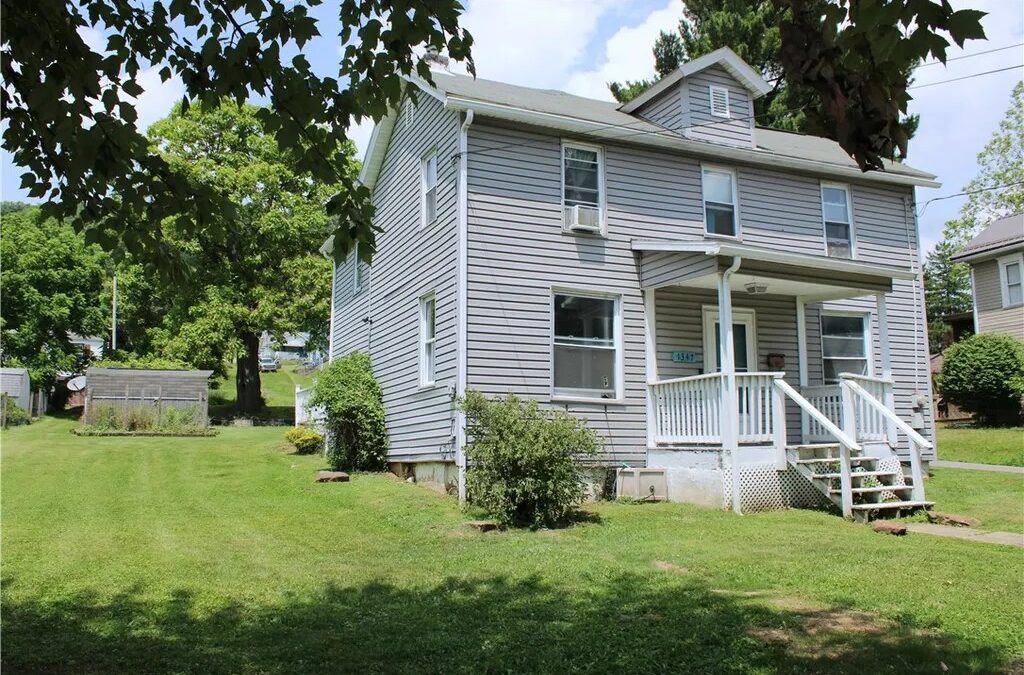
Selling a house in probate in Pennsylvania means navigating a legal process before any heir can sign a deed or accept an offer. Whether the estate goes through a simple administrative process or requires full court supervision depends on the size of the estate, how the will was written, and whether family members agree on how the property should be handled. Understanding the difference early saves time, money, and a great deal of frustration.
What Is the Difference Between Formal and Informal Probate in Pennsylvania?
Pennsylvania does not use the terms “formal” and “informal” probate exactly the way some other states do. Instead, the distinction comes down to whether the estate moves through unsupervised administration or requires a court-ordered supervised administration with involvement from the Orphans’ Court.
How Unsupervised Administration Works
Most Pennsylvania estates qualify for unsupervised administration. This is the simpler track. An executor, also called a personal representative, is appointed by the Register of Wills in the county where the deceased lived. In western Pennsylvania counties like Indiana County, that registration process is handled locally and does not require a judge’s approval to move forward.
Once appointed, the executor can manage the estate, pay debts, complete an estate inventory, and eventually transfer property to heirs without filing repeated court reports. The process still has legal requirements, but they do not involve ongoing court check-ins. For most families, this is the path that applies.
How Supervised Administration Works
Supervised administration brings the Orphans’ Court into active oversight of the estate. The executor must file an Orphans’ Court petition to open the matter formally, and the court monitors key decisions, including major asset sales. A judge may need to approve the sale of real estate before the transaction can close.
This level of oversight is not automatic. It happens when specific circumstances trigger court involvement, which we will explain in detail in the next section.
Why the Difference Matters for Property Sales
The track the estate follows directly affects how and when the home can be sold. Under unsupervised administration, the executor has broader authority to list the property, negotiate, and close without pausing for judicial approval. Under supervised administration, the sale may need court confirmation before it becomes final. Buyers, title companies, and lenders all look at which path applies before they will commit to closing.
When Does a Pennsylvania Court Require Formal Supervision of a Home Sale?
Supervised administration is not the norm, but certain situations make it necessary. Knowing what triggers court involvement helps heirs plan rather than discover obstacles mid-transaction.
Estate Size and Complexity
Pennsylvania does not have a strict dollar threshold that automatically sends an estate into supervised administration the way some states do. However, larger estates with multiple assets, complex debts, or business interests are more likely to end up in supervised territory. When the estate’s finances are complicated enough that an outside check makes sense, courts may step in.
A standard home owned solely by the deceased, with no mortgage disputes and a clear will, rarely requires supervised administration on its own.
Disputes Among Heirs or Creditors
Family disagreement is one of the most common reasons an estate lands in Orphans’ Court. If heirs cannot agree on whether to sell the home, what price to accept, or how to divide proceeds, any interested party can petition the court for oversight. Creditor disputes, challenges to the will’s validity, and questions about the executor’s conduct can also pull the estate into formal supervision.
When that happens, no one moves forward with a sale until the court resolves the issue.
When There Is No Valid Will
An estate without a valid will is called an intestate estate. In these cases, Pennsylvania law dictates who inherits, and the appointed administrator may face more scrutiny than an executor named in a will. Courts are more likely to supervise property sales in intestate estates, especially when multiple heirs share ownership of the home and one or more of them is a minor or legally incapacitated adult.
How Does Each Probate Path Affect Your Timeline for Selling?
The probate track the estate follows shapes every stage of a home sale, from listing to closing. Heirs who understand the timeline differences can make better decisions about when and how to sell. No matter the timeline or flexibility requirements, selling the house as-is to a cash buyer is worthwhile considering. You already have enough stress. You don’t need to add in all the extra hassle of getting the house ready for open homes and negotiating offers.
The Unsupervised Timeline
Under unsupervised administration, the executor typically gains authority to act relatively soon after appointment by the Register of Wills. There is still a required notice period for creditors, which in Pennsylvania is generally one year from the date of death for creditor claims. However, executors can often begin preparing the property for sale before that window closes.
Listing the home, accepting an offer, and scheduling closing can happen on a reasonable timeline without waiting for a judge. Title companies are generally comfortable working with an executor under unsupervised administration once the letters testamentary, meaning the legal document confirming the executor’s authority, are in order.
The Supervised Timeline
When court supervision is required, every major decision point may involve a hearing, a filing, or a waiting period. After the executor files an Orphans’ Court petition and the court accepts the case, scheduling hearings takes additional time. If a sale requires court confirmation, the process may require the executor to present the accepted offer to a judge, who then approves or rejects it.
This does not mean the property cannot be sold. It means the sale takes longer and requires more documentation. Buyers purchasing a home from a supervised estate need patience and flexibility around closing dates.
Strategies That Work Under Either Path
Regardless of which track applies, a few strategies help families move forward more smoothly. Keeping all heirs informed reduces the chance of disputes that escalate to court. Hiring an estate attorney early, even for simpler unsupervised estates, prevents procedural mistakes that could delay the sale.
Frequently Asked Questions
Can an executor sell a house without court approval in Pennsylvania?
An executor appointed under unsupervised administration generally has the authority to sell real estate without first seeking court approval. The executor must act in the best interest of the estate and follow the terms of the will, but a judge does not need to sign off on the transaction. If the estate is under supervised administration, court confirmation of the sale is typically required before closing can proceed.
What does court confirmation of a sale mean in Pennsylvania probate?
Court confirmation means a judge reviews and formally approves the terms of the accepted offer before the sale becomes binding. The executor presents the purchase agreement to the Orphans’ Court, and the court may hold a hearing to confirm the sale is fair and in the estate’s best interest. This step adds time to the closing process but protects heirs and creditors by ensuring the property was not sold below a reasonable value.
Does every Pennsylvania estate have to go through probate before selling a house?
Not every estate requires probate. If the home was held in a living trust, jointly with a right of survivorship, or passed through a beneficiary deed, the property may transfer outside of probate entirely. However, when a home is titled solely in the deceased person’s name, selling a house in probate in Pennsylvania is typically the required legal path before any transfer of ownership can occur.