
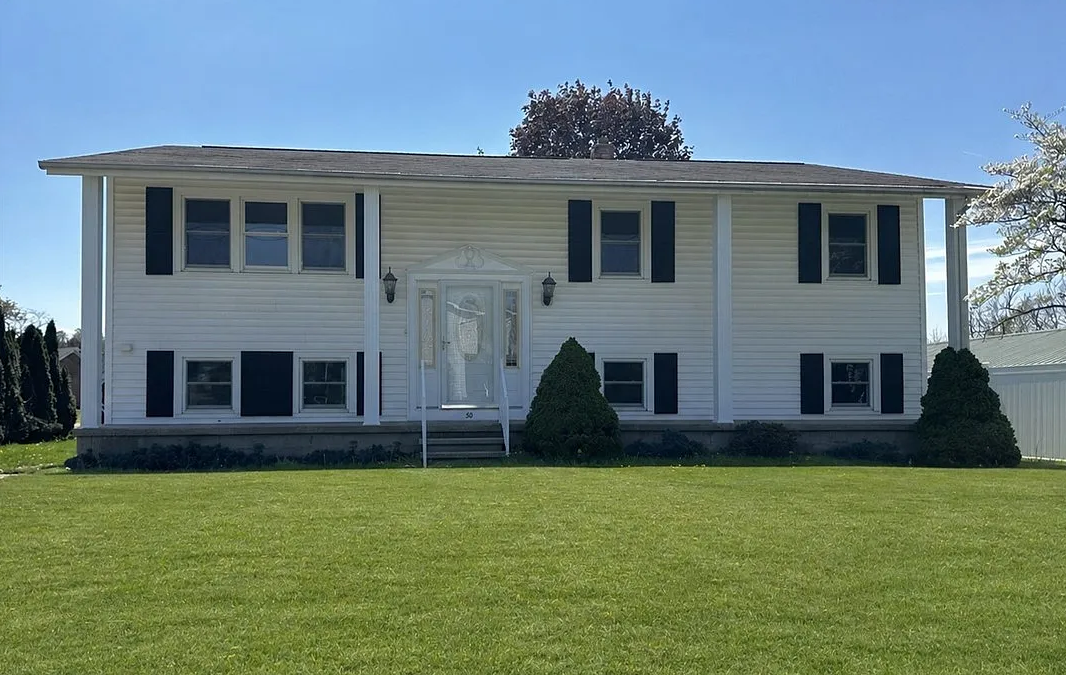
When a tenant stops paying rent, the financial pressure on a landlord builds fast. Selling a house with tenants is one option many landlords overlook — but it is far from the only path forward. Whether you own a single rental property in Indiana, PA or a small portfolio, the choices you make in the next few weeks can shape your financial situation for years.
Why Do Landlords Get Stuck When Tenants Stop Paying?
Rental income disruption hits harder than most landlords expect. Your mortgage, taxes, and insurance do not pause just because your tenant stopped paying. Every month without rent is money leaving your pocket — not just money that failed to arrive.
The Hidden Costs of a Non-Paying Tenant
A non-paying tenant creates more than a cash flow problem. Landlords often absorb utility costs, HOA fees, and basic maintenance even while the unit generates zero income. Over several months, those costs add up into real financial losses that strain household budgets and emergency savings.
Beyond the money, there is the emotional weight. Navigating phone calls, written notices, and legal filings while someone still lives in your property takes time and energy most landlords never planned for when they bought the rental.
Why Listing with a Realtor Is Complicated
Selling a traditionally listed property with an occupant inside creates friction right away. Most buyers purchasing through a real estate agent want a vacant, move-in-ready home. Showings become difficult when a tenant refuses to cooperate or leaves the property in poor condition during walkthroughs.
Lenders financing those buyers often require the home to be vacant at closing. That means you could go through an entire listing, negotiate a sale, and then watch it collapse because the rent default situation never resolved.
The Financial Trap Most Landlords Fall Into
Some landlords try to wait things out. They hope the tenant will catch up, avoid the cost of legal proceedings, or simply feel uncomfortable forcing someone out of their home. That patience is understandable — but each passing month deepens the financial hole.
By the time many landlords explore their options, they have already lost several months of rent. Some have also paid for attorney letters or court filing fees without seeing any resolution.
What Is the Eviction Process in Pennsylvania and How Long Does It Take?
Pennsylvania has a specific legal process for removing a tenant who has stopped paying. Skipping any step can reset the process entirely, so understanding the eviction timeline in Pennsylvania matters before you start.
Step One: The Written Notice
Before you can file anything in court, you must give the tenant written notice. For rent default, Pennsylvania law requires a ten-day written notice to pay or vacate. This notice must be properly delivered — and the clock does not start until it is.
If the tenant pays the full amount owed within those ten days, the eviction process stops there. If they do not pay and do not leave, you move to the next step.
Step Two: Filing in Magisterial District Court
After the notice period passes, you file a complaint with your local Magisterial District Court. In Indiana County — covering areas from Indiana Borough to White Township — this is the entry point for landlord-tenant disputes. You pay a filing fee, and the court schedules a hearing, typically within a few weeks of your filing date.
At the hearing, both sides present their case. If the judge rules in your favor, the tenant receives a judgment against them and an order to vacate. However, the tenant has ten days to appeal, which can extend the timeline.
Step Three: The Order for Possession
If the tenant does not appeal or the appeal fails, you can request an Order for Possession from the court. This document authorizes the constable or sheriff to remove the tenant if they have not left voluntarily.
Even with all paperwork in order, the full eviction timeline in Pennsylvania — from first notice to physical removal — can run several months depending on court scheduling, tenant appeals, and enforcement availability. It is a lawful process, but it is rarely quick.
How Does Selling the Property Change Things in a Non-Paying Tenant Situation?
Some landlords do not seriously consider selling until they are deep into an eviction. Selling a house with tenants still inside is a real option — and for some landlords, it resolves the situation more cleanly than an eviction ever would.
Selling As-Is Ends the Landlord Obligation
When you sell the property, you are no longer the landlord. The legal and financial responsibilities tied to that unit transfer to the new owner at closing. You stop covering carrying costs like taxes, insurance, and maintenance. The stress of managing a problem tenant ends at the settlement table.
What Happens to the Tenant When You Sell?
This is a question landlords ask often. When a property sells, the existing lease typically transfers to the new owner. A month-to-month tenant may receive notice under the lease terms and state law. The new owner assumes responsibility for managing or removing the tenant going forward.
You are not legally abandoning the tenant. You are transferring ownership of an asset. What happens after closing is between the new owner and the occupant.
How Our Process Works
Our process is straightforward. You share your property details with us — including the occupancy situation and the home’s condition. We review everything and follow up with a written cash offer. You decide whether to accept, with no pressure and no obligation.
We are a direct buyer, which means we purchase the property ourselves. We do not pass your contract to a third party or wholesale the deal to another investor. What we offer is what you get, and the process moves on your schedule.
This option makes particular sense when the eviction is already costly, when the property needs significant repairs, or when selling a rental property with a non-paying tenant is simply the cleaner exit compared to months of legal proceedings and mounting losses.
Selling is not the right move for every landlord. Some will complete the eviction, make repairs, and re-rent successfully. Others will list the home after it sits vacant. But for landlords already losing money and wanting a clear exit, selling a house with tenants in it removes a major obstacle that traditional listings cannot work around.
When you weigh your options, consider the full cost of the eviction path: legal fees, court time, potential property damage, and continued mortgage payments throughout the process. Then weigh that against a straightforward sale that ends your liability on a date you choose. That comparison looks different for every landlord — but it is worth doing honestly before committing to one path.
Frequently Asked Questions
Can I sell a house with tenants in it if they owe me back rent?
Selling a house with tenants does not require the tenant to be current on rent. We buy properties in any occupancy condition, including active non-paying situations. The back rent owed to you is a separate matter between you and the tenant and does not affect the sale itself.
Does selling my rental property mean I give up the right to collect unpaid rent?
When you sell a property, you transfer ownership of the real estate — not your right to pursue money owed to you. You may still be able to recover unpaid rent that accrued while you were the landlord through civil court if you choose to pursue it after closing.
What makes a cash sale different from listing with a real estate agent when I have a problem tenant?
A traditional listing typically requires a vacant home, buyer financing approval, and completed repairs before closing. With a cash sale, none of those conditions apply. We assess the property as-is, make an offer based on its current state and occupancy situation, and close without requiring you to resolve the tenancy first.