
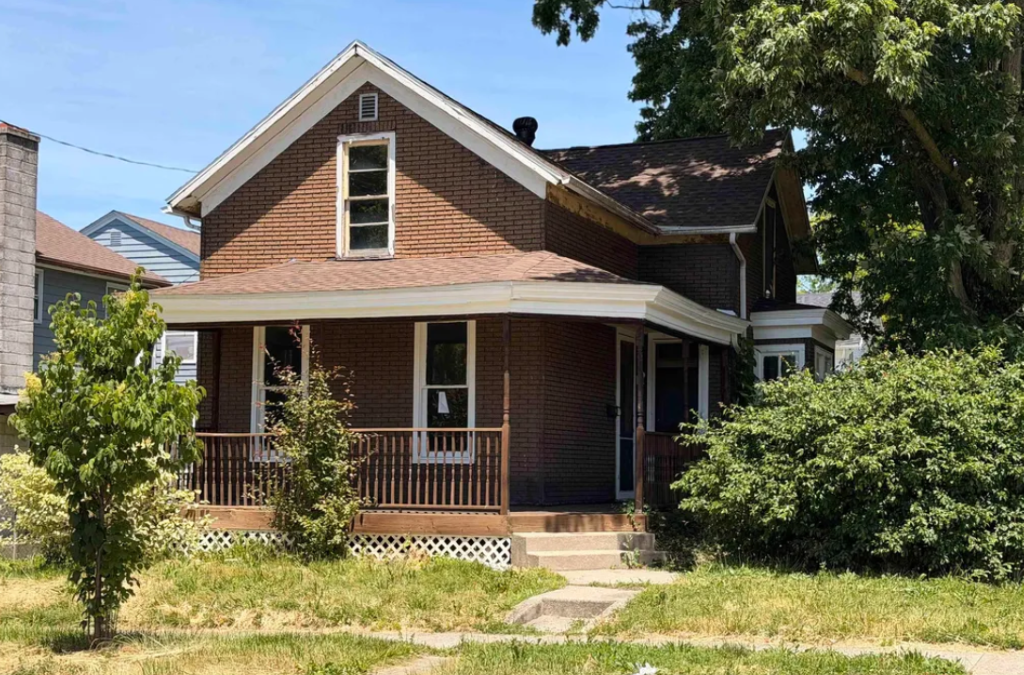
Selling a house that needs major work feels overwhelming. Leaking roofs, cracked foundations, outdated electrical systems, and water damage can make a home feel unsellable. But that is simply not true. Thousands of homeowners in this situation sell successfully every year, and many of them do it without ever picking up a hammer or paint roller.
Can You Really Sell a House That Needs Major Repairs?
You can absolutely sell a house as-is, even if the property has significant problems. Buyers using certain loan programs may encounter property condition requirements if the home has safety, soundness, structural, or habitability concerns. FHA appraisals, for example, can identify repairs that may need to be addressed before the loan can move forward. Cash buyers operate completely differently.
What “Selling As-Is” Actually Means
Selling as-is means you hand over the property in its current condition. No repairs. No updates. No cleaning crews. The buyer accepts the home exactly as it sits today, whether that means a missing section of the roof, mold in the basement, or a kitchen that has not been touched since 1972. You disclose what you know, and the buyer takes it from there.
This is not some risky workaround. It is a completely legal and common way to transfer a property. In fact, most no-repair home sales may involve fewer financing-related issues because there are no inspection contingencies or lender requirements slowing things down.
What Types of Damage Do Cash Buyers Accept?
We review homes with a wide range of repair needs, including roof damage, foundation concerns, water damage, outdated systems, and deferred maintenance. Some of the most common situations we see include:
- Foundation problems such as cracks, settling, or water intrusion
- Roof damage, including missing shingles, sagging sections, or full replacements needed
- Fire or smoke damage from past incidents
- Flood or water damage with warped floors, mold, or structural concerns
- Outdated systems such as knob-and-tube wiring, old plumbing, or non-functional HVAC
- Severe deferred maintenance from years of neglect
If a traditional buyer walks away, a cash buyer often steps forward. That is the core difference.
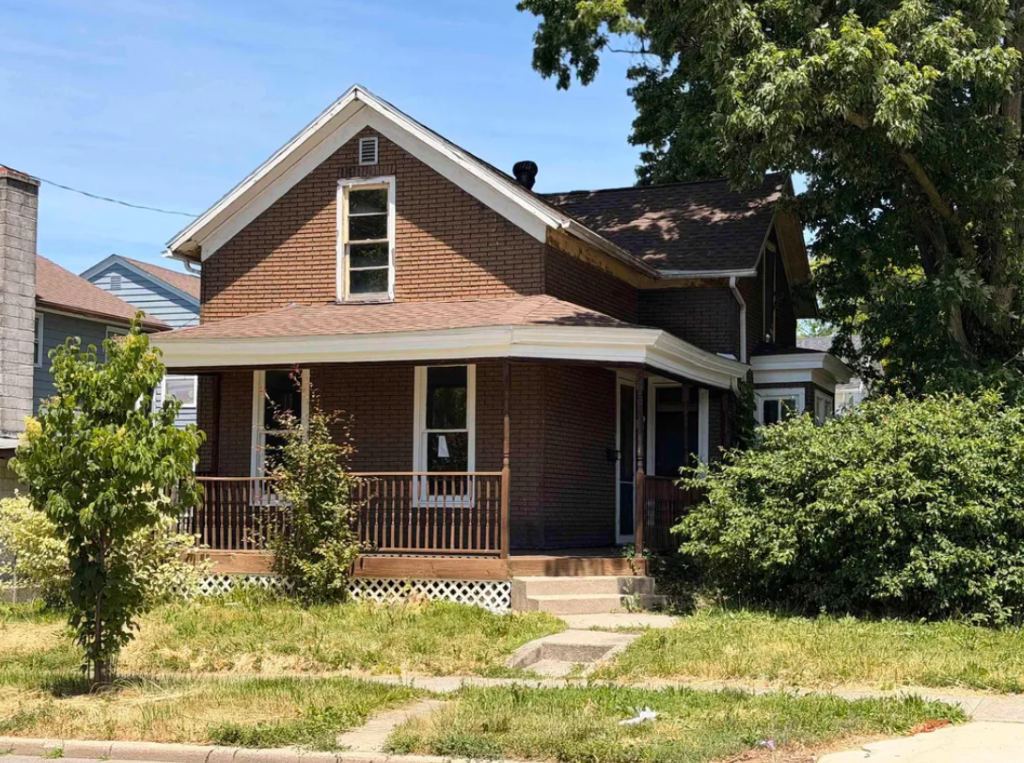
Why Traditional Buyers Cannot Always Help
When a buyer uses a mortgage, the bank sends an appraiser to confirm the home meets basic livability standards. If the home fails, the loan gets denied. This is why so many sellers with damaged property feel stuck. They cannot attract financed buyers, and they cannot afford the repairs needed to qualify for financing. It becomes a frustrating cycle with no clear exit.
Cash buyers break that cycle entirely because no lender is involved.
Why Do Some Cash Buyers Purchase Homes As-Is?
This is one of the most common questions we hear. Why would anyone want to buy a house that needs so much work? The answer comes down to business model and long-term strategy.
The Cash Buyer Business Model Explained
A fixer-upper cash buyer purchases homes below market value, repairs them with contractor relationships and wholesale pricing, and then resells or rents them at a profit. Because they do this repeatedly, they have the crews, the materials and the experience to fix problems efficiently. A job that might cost a homeowner $40,000 out of pocket could cost a professional buyer $18,000 through their established network.
This is not a charity arrangement. Both sides benefit. The seller gets a simpler as-is option with fewer repair-related steps. The buyer takes on the risk and work in exchange for a margin. It is a straightforward transaction.
How We Evaluate a Home in Any Condition
When a homeowner reaches out, the property can be reviewed based on details such as location, size, lot value, condition, and estimated repair needs. These factors help shape the offer and give the seller a clearer understanding of how the numbers may be considered.
For homeowners in Blairsville, PA and nearby Indiana County communities, a direct as-is sale may be worth exploring when a home needs major repairs or feels difficult to prepare for a traditional listing. We can review the property in its current condition so you can compare an as-is offer with the cost of repairs, listing, and continued ownership.
What Happens After You Accept an Offer
Once you accept our cash offer, the process is straightforward. There is no appraisal to schedule, no lender underwriting to wait on, and no buyer financing that can fall through at the last minute. We set a closing date that works for your timeline. After you accept an offer, the next steps depend on title work, payoff amounts, liens, taxes, seller documents, buyer readiness, and the agreed closing terms. A cash sale may remove the buyer’s mortgage approval step, but the closing still has to follow the title and settlement process.
How Much Money Can You Save by Skipping Repairs and Selling for Cash?
This section tends to surprise people. Most homeowners assume they are leaving money on the table by selling a home without fixing it. In many cases, the math actually works in their favor.
The Real Cost of Repairing Before You Sell
Consider a home that needs $35,000 in repairs to compete on the open market. That money has to come from somewhere before you ever see a single dollar from the sale. Then add the cost of listing with an agent, typically 5 to 6 percent of the sale price in commissions. Then add 2-3% to closing costs. Then add the time you will carry the property while it sits on the market, which means continued mortgage payments, property taxes, insurance, and utilities for potentially 3 to 6 months.
What You Actually Walk Away With
The gap between a repaired traditional sale price and a cash offer is often smaller than sellers expect once you subtract all the costs above. Our cash offer for damaged property is not meant to shortchange you. It is priced to reflect the real math of what selling that property actually costs through each route.
Some sellers walk away with nearly the same net amount by going the cash route, only without the stress, the timeline, or the financial risk of fronting repair money.
Is a Cash Sale Right for Every Situation?
Not always. If your home is already in excellent condition and you have time to wait, a traditional listing might net you more. But if your property needs significant repairs, if you are facing foreclosure, divorce, probate, or a job relocation, or if you simply cannot afford to wait, a no-repair home sale is often the smartest financial move available to you.
Frequently Asked Questions
Can I sell my house in Indiana, PA, if it has foundation problems?
Yes, a house with foundation problems can still be sold. Some buyers may require repairs before closing, while an as-is buyer may review the property in its current condition. The offer usually reflects the foundation issue, repair risk, title status, location, and local market conditions.
How does a cash buyer determine the offer price on a damaged home?
We look at the home’s location, size, and the estimated cost to bring it up to market condition. Our offer accounts for those repair costs while still giving you a fair, fast, and certain sale without any upfront work on your end.
Will I pay any fees or commissions when I sell my house as-is for cash?
We do not charge commissions, and we typically cover standard closing costs. We explain the offer terms and any closing-cost structure before you decide. Your final proceeds may still be affected by mortgage payoff, liens, unpaid taxes, transfer tax, title charges, settlement fees, or other required items handled through closing.