
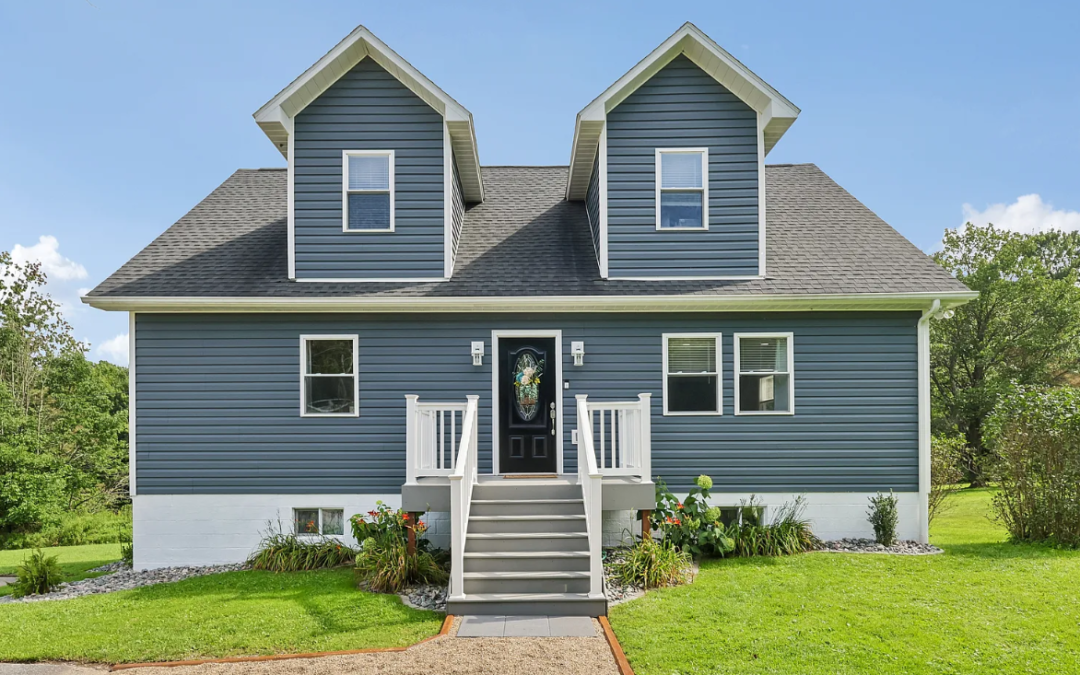
Selling a parent’s home to pay for senior care is one of the most emotionally and logistically demanding decisions a family can face. That weight feels even heavier when you are also managing care transitions, family dynamics, and a property that may need attention before anything else can happen.
Families in Indiana County, PA face this situation more often than many realize. A parent moves into assisted living or memory care, and the family home sits vacant while costs accumulate. The property holds decades of memories — but it also holds equity that could directly fund the care your parents need. Understanding how to access that equity, without unnecessary delays or added costs, can make a meaningful difference during an already difficult time.
Why Do Families Sell a Parent’s Home to Cover Senior Care Costs?
Assisted living and memory care fees add up quickly. For many families, a parent’s monthly care expenses far exceed what Social Security income or savings alone can cover. The family home is often the largest single asset available, and liquidating it can provide the financial breathing room a family desperately needs.
The Cost of Care Creates Real Pressure
Senior housing transitions rarely happen on a comfortable schedule. A parent’s health can change suddenly, and care placement decisions sometimes have to happen before anyone has had a chance to think through the financial side. When those costs begin, they do not pause while the family figures out what to do with the house.
Selling the home converts a fixed, illiquid asset into the funds needed to sustain high-quality care. For families stretched between caregiving responsibilities and everyday life, that shift can bring genuine relief.
The Family Home Often Sits Vacant
Once a parent moves to a care facility, the house typically sits empty. Vacant homes carry real ongoing costs — property taxes, homeowner’s insurance, utility bills, and routine upkeep. Every month the property sits unsold, those expenses continue without any offsetting benefit.
Beyond the financial drain, an unoccupied home can deteriorate. Small maintenance issues grow into larger ones when no one is living there to catch them early. For families already managing a difficult transition, an empty house becomes another source of stress.
Family Disagreements Can Complicate the Decision
Not every sibling agrees on what to do with the family home. Some may want to sell immediately. Others may feel reluctant to let go of a place tied to so many shared memories. Navigating those conversations while also managing a parent’s care can feel overwhelming.
A clear picture of the selling process and available options helps families have more productive conversations. When everyone understands what is involved, decisions tend to come together more smoothly.
What Steps Are Involved in Selling a Parent’s Home?
Selling a parent’s home to pay for senior care involves several moving parts. Understanding each step helps families stay organized and make decisions with confidence — rather than reacting under pressure.
Confirm Who Has the Legal Authority to Sell
First, the family needs to confirm who has the legal right to sell the property. If the parent is still living and mentally competent, they may be able to participate directly in the decision. If cognitive decline has progressed, a power of attorney may already designate a family member to act on their behalf.
If the parent has passed away and the home is part of the estate, the process falls under probate. Depending on whether a will exists and how the estate is structured, this can involve a court-supervised process. An estate attorney familiar with Indiana County can help the family navigate authority questions specific to their situation.
Assess the Condition of the Property
Many family homes have been lived in for decades. Older homes often carry deferred maintenance, outdated systems, or other issues that a traditional buyer might negotiate over or walk away from entirely. Before deciding how to sell, it helps to have a realistic picture of the property from a buyer’s perspective.
If the home needs significant work, the family has to decide whether investing in repairs makes sense given the time and cost involved. For families focused on accessing home equity for care rather than maximizing sale price through a lengthy process, a different approach may be a better fit.
Understand the Timeline and What Affects It
The timeline for selling a parent’s home depends on several factors — the local real estate market in Indiana County, the property’s condition, and the chosen sale method. A traditional listing can stretch across many weeks or months. A direct cash sale tends to move faster, though specifics depend on each transaction.
Families with pressing care costs benefit from understanding which path aligns with their situation. Speed matters when monthly care bills are ongoing — but so does clarity about what the sale will actually yield.
How Does Selling to a Cash Buyer Differ From Listing With a Realtor?
Listing a home with a realtor is the most familiar path for most families, but it is not always the most practical during a senior housing transition. A traditional sale involves preparing the home, listing it, scheduling showings, negotiating offers, and waiting through the buyer’s financing process. That sequence takes time and often requires money upfront for repairs or staging.
No Repairs, No Staging, No Commissions
When you work with us, none of that is required. We buy homes across Indiana County — from Indiana Borough to Blairesville — as-is, in whatever condition they are in. The family does not have to repair a roof, update a bathroom, or clear out decades of belongings before the sale moves forward.
We are the direct buyer, not an intermediary. No wholesaler or third party gets involved, and no commission goes to a real estate agent. The family pays no closing costs on our end either. The offer we make is what the family receives — no deductions for fees on our side.
A Straightforward Process With No Obligation
Our process starts when a family reaches out and shares some details about the property. We review that information and follow up with a written cash offer. The family can accept it, decline it, or ask questions. No pressure, no obligation.
This approach gives families options — not pressure to choose a particular path. Selling a parent’s home for cash to cover senior care costs is not a decision families take lightly, and we approach every situation with that understanding.
Why Local Knowledge Matters in Indiana County
Working with a local buyer who knows Indiana County real estate makes a real difference. We know the neighborhoods, property types, and circumstances that shape home values in this area. Families are not working with a large national operation that treats every home as a data point — they are working with people who know this market and treat every situation as the human decision it truly is.
Frequently Asked Questions
Can we sell a parent’s home if they are still alive but in a memory care facility?
Selling a parent’s home while they live in a care facility is possible, but it requires the right legal authority in place first. If a power of attorney designating a family member as agent was established before significant cognitive decline, that person can typically act on the parent’s behalf. Families without that documentation may need to pursue guardianship through the courts — which is why consulting an estate attorney early matters.
What happens to the home sale proceeds when they go toward assisted living?
Proceeds from the sale of a parent’s home can go directly toward assisted living, memory care, or other senior housing costs. How those funds are handled may also affect Medicaid eligibility if the parent applies for benefits in the future, so speaking with a financial advisor or elder law attorney before the sale closes is worth doing.
Do we have to clean out and repair the home before selling it to you?
We buy homes as-is, so cleaning, repairs, and staging are not required before we make an offer. Families can leave belongings behind if needed, and we handle the property in its current condition. Our goal is to make the process as simple as possible during an already demanding time.