
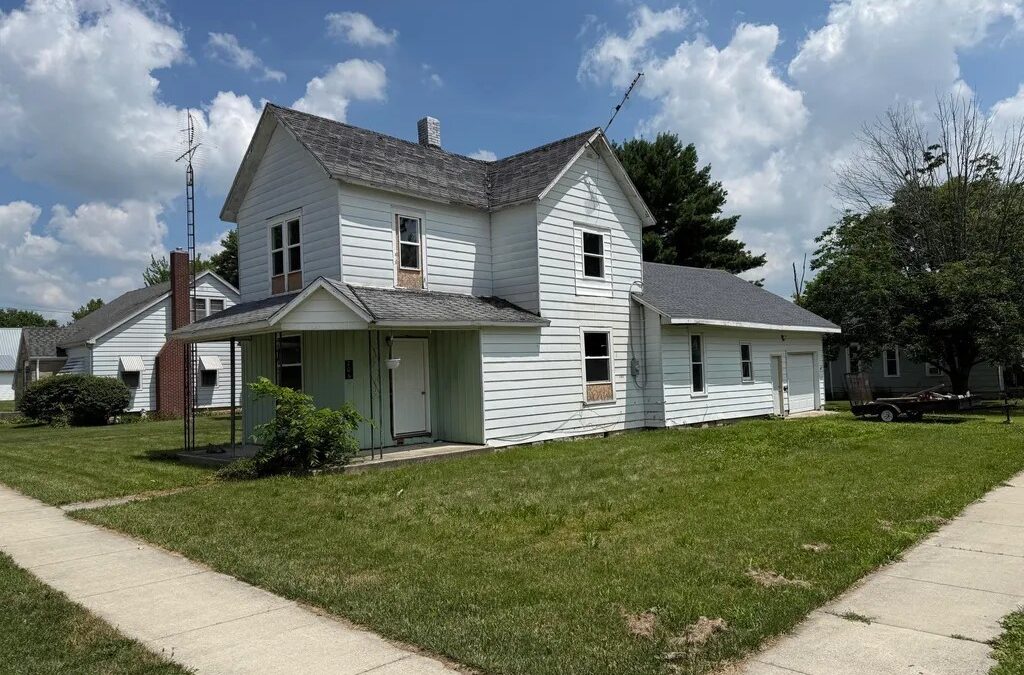
A house fire changes everything in a matter of hours. If you are now standing at the crossroads of deciding whether to sell a fire-damaged house in Pennsylvania or commit to a full rebuild, that decision deserves a clear-eyed look at the real numbers, the realistic timelines, and the emotional weight that comes with both paths.
Neither choice is wrong. But one of them is almost always more practical, and that depends entirely on your financial situation, your insurance coverage, and how deeply you want to stay connected to the property after everything it has been through.
What Does It Actually Cost to Rebuild a Fire-Damaged House in Pennsylvania?
Rebuilding after a fire sounds straightforward on the surface. In reality, the costs pile up faster than most homeowners expect, and many of them never appear in the first contractor estimate you receive.
The Baseline Numbers
Fire damage repair costs vary widely based on the size of the home, whether the structure was affected, the extent of smoke and soot damage, water damage from firefighting, debris removal, code upgrades, permits, and the materials needed for restoration. A small smoke-damage cleanup is very different from rebuilding a home with damaged framing, electrical systems, roofing, or interior finishes.
In areas like Cowanshannock, PA labor costs have risen sharply. Skilled tradespeople are in short supply, and that scarcity pushes contractor estimates higher than comparable work might run in larger metro areas.
Hidden Costs That Catch Homeowners Off Guard
The base rebuild number is rarely the final number. Here is what tends to get added on:
- Temporary housing costs during the restoration period, which can run $1,500 to $3,000 per month or more
- Air quality testing and mold remediation, which become necessary if the structure has been exposed to the elements for any length of time
- Permit fees and code compliance upgrades, since fire damage repair often triggers mandatory updates to bring the home into compliance with the current building code
- Contents replacement, which is separate from structural repair, is frequently underestimated.
- Landscaping and exterior cleanup, including debris hauling, which some policies exclude
Your insurance settlement may cover a portion of these costs. But coverage limits, depreciation clauses, and disputes over the scope of damage mean that many homeowners receive far less than they expected. It is common to end up tens of thousands of dollars out of pocket, even with a solid policy in place.
What Insurance Typically Covers and What It Doesn’t
Most standard homeowner policies in Pennsylvania cover the structure, personal property up to certain limits, and additional living expenses during displacement. What they frequently do not cover includes code upgrade costs beyond a certain threshold, business property stored in the home, and any damage caused by neglect of the property after the fire occurred.
Understanding what your settlement actually includes, rather than what the adjuster tells you verbally, requires carefully reading the full policy documents. A public adjuster can sometimes help negotiate a better payout, but that service also costs money, typically a percentage of the final settlement.
How Long Does Fire Damage Restoration Take Compared to a Cash Sale?
Time is money in any real estate situation, but after a fire, it becomes an even more pressing factor. Every month the property sits in limbo is a month you are paying for alternative housing, insurance premiums, and property taxes on a home you cannot use.
The Realistic Rebuild Timeline
A moderate fire damage restoration project in Pennsylvania typically takes six to twelve months from the time you engage a licensed contractor to the moment you can move back in. Larger or more complex projects routinely run eighteen months or longer.
That timeline assumes things go smoothly, and they rarely do. Permit approval delays, contractor scheduling conflicts, material backlogs, and change orders all tend to stretch the process. The physical work is only part of it. Coordinating between your insurance company, your contractor, and local building departments adds weeks at every stage.
How a Cash Sale Compares
Selling to a cash buyer works on a completely different timeline. When you work with us, the process starts with a property walkthrough and a no-obligation offer. From there, closing can happen in as little as seven to fourteen days if you want to move that fast, or on whatever schedule fits your situation.
There are no contractor negotiations, no permit applications, and no waiting for an insurance check to clear before work can begin. You move forward as soon as you decide you are ready.
The Emotional Weight of a Long Rebuild
This part rarely shows up in financial comparison guides, but it matters. Living in temporary housing for a year or more while supervising a complicated rebuild is exhausting. Many homeowners describe it as a second disaster layered on top of the first. The financial recovery after fire is hard enough without adding months of construction stress, contractor disputes, and the uncertainty of not knowing when life will feel normal again.
For families with children, elderly relatives, or anyone managing health issues alongside the aftermath of a fire, speed and simplicity are not just conveniences. They are genuine quality-of-life factors that carry real value.
When Does Selling a Burned House Make More Financial Sense Than Rebuilding?
The rebuild vs. sell decision is not purely mathematical, but the math is a good place to start. There are specific situations where selling is the cleaner path, regardless of sentimental attachment to the property.
When the Repair Costs Exceed Realistic Market Value
If a fire-damaged property in Pennsylvania costs $120,000 to restore but would sell for only $150,000 after full restoration, the financial upside is thin. Factor in six to twelve months of carrying costs, the risk of cost overruns, and the unpredictability of the local market by the time repairs are finished, and the margin disappears quickly.
In that scenario, selling the property as-is for a fair cash offer and walking away with certainty often beats the gamble of a full rebuild.
When Insurance Coverage Falls Short
Not every homeowner has full replacement cost coverage. If your policy pays actual cash value rather than replacement cost, you could receive significantly less than what a rebuild actually requires. That gap has to come from somewhere, and for many families, taking on that kind of debt after a fire is not realistic.
In that situation, choosing to sell a fire-damaged house in Pennsylvania avoids trading one financial hardship for another.
When the Property No Longer Fits Your Life
Sometimes the decision is less about dollars and more about direction. A fire can prompt a natural moment of re-evaluation. You might be considering relocating, downsizing, or moving closer to family. Rebuilding the same house in the same location may not serve where you are headed.
Selling creates immediate liquidity and freedom. That combination is worth more than people often admit when they are in the middle of the emotional aftermath of a house fire.
Frequently Asked Questions
Can I sell a fire-damaged house in Pennsylvania without making any repairs?
CMS Homes reviews fire-damaged properties in Pennsylvania as they currently exist. Whether repairs, cleaning, insurance documents, title issues, or closing conditions need to be handled depends on the property, contract terms, title work, local requirements, and any insurance-claim issues.
How does a cash offer on a fire-damaged home get calculated?
We evaluate the property based on its current condition, the estimated cost of repairs, and the after-repair value in your local market. The offer accounts for what it will take to bring the property back to a livable condition, which is why fire-damaged homes typically sell below market value yet still provide homeowners with fast, reliable liquidity.
Will my insurance settlement affect how much I can get from a cash sale?
Your insurance settlement and a cash sale are separate transactions. Insurance proceeds should be reviewed carefully because the policy, mortgage lender, contractor agreements, claim status, and settlement terms may affect how funds are handled. Selling the property for cash allows you to move forward financially without waiting for the full restoration process to play out, and both funding sources can contribute to your overall financial recovery after a fire.