
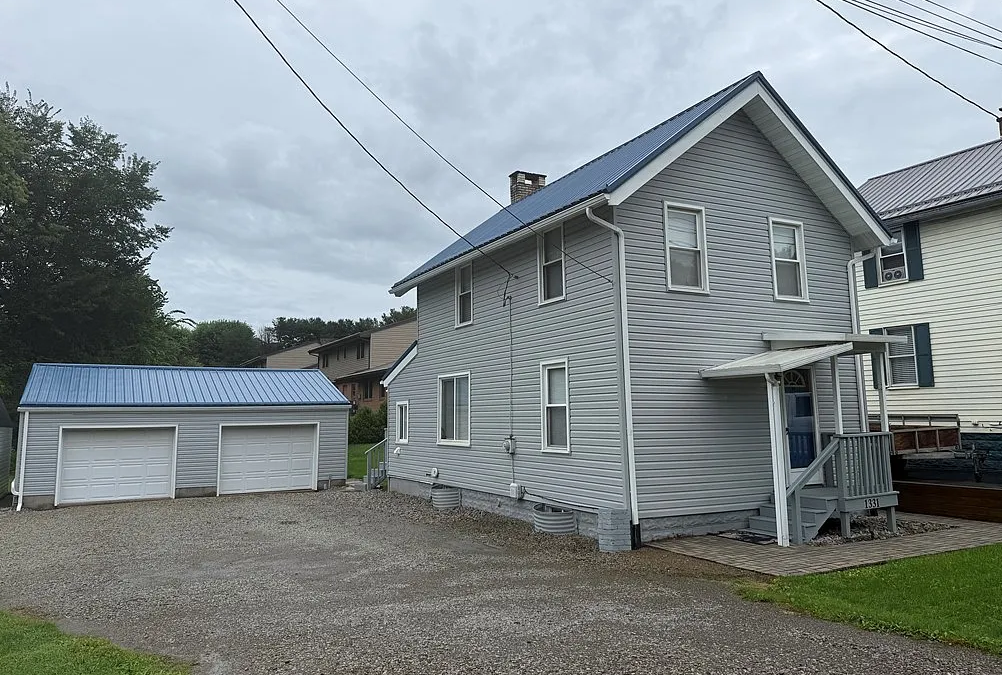
An empty home is never truly sitting still. For owners trying to sell a vacant house fast in and around Indiana, PA, the risks behind a closed door can quietly grow into serious problems. Vandalism, legal exposure, and municipal fines do not wait for a convenient moment. Understanding what you are actually facing is the first step toward protecting yourself.
Why Are Vacant Homes Targets for Vandalism and Break-Ins?
Empty properties send visible signals. No cars in the driveway, no lights at night, uncollected mail, and overgrown grass all tell the same story to the wrong kind of visitor. A house that looks unoccupied becomes a soft target in a way an occupied home never could.
What Vandals Are Actually Looking For
Copper piping and wiring are among the most common theft targets in vacant homes. Scrap metal has real resale value, and vandals can strip a home’s plumbing or electrical system overnight. The damage left behind often costs far more to repair than the metal was worth. Forced entry through windows or rear doors is standard — and once a property has been entered once, repeat visits are common.
Squatter Risk on Vacant Property
Squatter risk is one of the most misunderstood problems absentee owners face. A person who occupies a property without permission can, in some circumstances, create legal complications that are surprisingly difficult to unwind. Pennsylvania law requires a formal eviction process even for someone with no legal right to be there. Removing a squatter is not as simple as changing the locks. That process takes time and money, and the damage a squatter causes in the meantime can be significant.
Why Unoccupied Home Security Is Hard to Maintain
Unoccupied home security is a real and ongoing expense. Motion lights, alarm monitoring, and periodic walkthroughs help — but none fully close the gap an absent owner leaves. Neighbors may not notice a problem quickly enough to prevent damage. Security cameras can document what happened but rarely stop it. For a home sitting empty for months, the cumulative security cost adds up, and there is still no guarantee of protection.
What Legal Liability Do You Face as an Absentee Owner?
Owning a property comes with responsibility for what happens on it — even when you are not there. Many homeowners are surprised to learn that an empty house can create more liability exposure than one they actively occupy or rent.
Premises Liability for Unoccupied Homes
Absentee owner liability under premises liability law means that if someone is injured on your property, you may be responsible. This applies even if the injured person had no legal right to be there. A trespasser who falls through a rotted porch or gets hurt by a collapsing structure can, under certain legal theories, sue the property owner. Liability insurance on a vacant property is typically structured differently than a standard homeowner’s policy, and many standard policies limit or exclude coverage once a home has been empty for a set period.
Insurance Gaps That Catch Owners Off Guard
Most homeowner’s insurance policies include a vacancy clause. Once a home sits empty beyond a certain number of days, the policy may reduce or eliminate coverage for events like fire, water damage, or vandalism. Owners who do not check their policy terms may believe they are covered when they are not. A coverage gap during a period of active risk is one of the worst financial positions an empty-home owner can land in. Purchasing a separate vacant property policy is an option, but it adds another ongoing cost to a home that produces no income.
How Neglect Affects Neighboring Properties and Community Relationships
An empty home that falls into disrepair affects more than its owner. Standing water breeds insects. Broken windows let in animals, moisture, and cold. Debris that accumulates on an unmanaged lot can become a fire hazard. Neighbors notice — and so do local officials. When a property becomes a visible neighborhood problem, the relationship between the owner and the municipality shifts quickly, leading directly to the next set of risks.
How Do Code Violations on Empty Homes Happen — and What Do They Cost?
A property code violation on an empty house is one of the most financially damaging outcomes of prolonged vacancy. Code enforcement across Indiana County municipalities is active, and unoccupied properties draw attention — whether in Indiana Borough, Upper Yoder, or anywhere in between.
Common Code Violations on Vacant Properties
Violations on empty homes tend to cluster around the same issues. Overgrown vegetation, unsecured access points, damaged exterior structures, peeling paint on older homes with potential lead concerns, and broken or missing windows are the most frequently cited problems. Each violation typically comes with a notice and a deadline to correct it. Failing to respond results in escalating fines.
The compounding nature of code violations is what catches owners off guard. A single notice about an unsecured door can grow into multiple citations if ignored. Some municipalities perform the repairs themselves and bill the property owner, placing a lien against the home. A lien is a legal claim on the property that must be resolved before it can be sold — and it does not go away on its own.
How Fines Accumulate Over Time
Code enforcement fines vary by municipality, but daily or weekly accumulation is common once an owner is found noncompliant. What starts as a few hundred dollars can become thousands. When a property already carries the ongoing costs of taxes and insurance, adding unresolved code-violation debt creates serious financial strain. These are not abstract risks. They are the documented experience of many property owners who believed a vacant home was simply sitting still.
Why Selling an Empty Home As-Is Can Be the Smarter Path
When you weigh ongoing taxes, vacant property insurance, security measures, code violation fines, and the growing risk of damage or liability, the cost of holding an empty home becomes concrete and measurable. For many owners, the math does not favor continued ownership.
We buy houses as-is, directly for cash, with no requirement that you repair, clean, or update anything before closing. No realtor commissions, no closing costs. If your home in Indiana County is sitting empty and costing you money, we can review the property details and present a written cash offer for your consideration. Whether you accept is entirely your decision — no pressure, no obligation.
Holding an empty property is not a neutral choice. Every month of vacancy is a month of exposure. When owners finally decide to sell a vacant house fast and avoid mounting costs, they often find the sale itself is far simpler than the months of worry that came before it.
Frequently Asked Questions
What makes vacant homes in Indiana, PA more vulnerable to vandalism than occupied ones?
An occupied home has constant, natural deterrents — activity, light, noise, and people. A vacant home has none of those things. Vacant home vandalism risk rises sharply once a property sits empty because opportunistic thieves can spot patterns of inactivity before approaching. In smaller communities like Indiana, PA, a house that clearly has not been lived in stands out quickly.
How does absentee owner liability work if someone is hurt on my empty property?
Liability for an empty property works similarly to liability for an occupied one, with some important differences. As the property owner, you carry a legal duty to maintain safe conditions — and that duty does not end because you are not present. Absentee owner liability can include injury claims from trespassers in certain situations, and a standard homeowner’s insurance policy may not cover incidents that occur after a vacancy period has passed without notification to the insurer.
Can code violations on a vacant home prevent me from selling it later?
Unresolved code violations and any resulting liens must typically be addressed before title can transfer cleanly. That does not mean you cannot sell — it means those issues need to be resolved as part of the transaction. Our process accounts for a property’s actual condition, which is why we buy homes as-is and help sellers move forward without requiring them to fix problems first.