
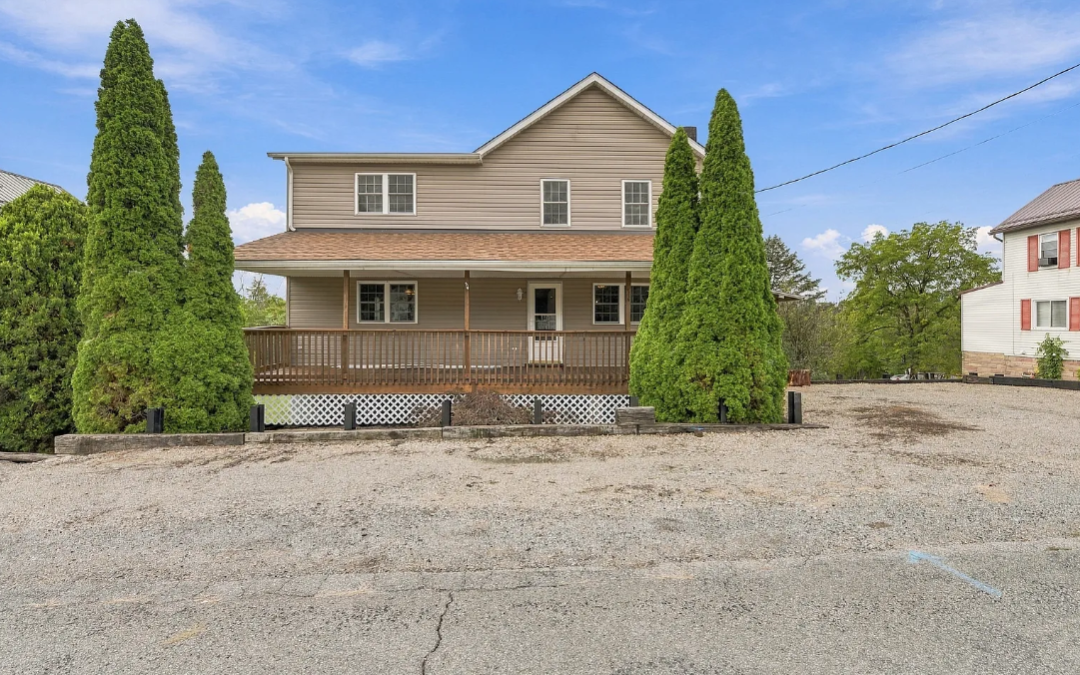
Owning a home with unresolved municipal citations can feel like being trapped. If you’re trying to sell a house with code violations in Indiana County, PA, the path forward is rarely as straightforward as calling a real estate agent and listing on the MLS. Understanding what violations actually mean, why they create legal and financial complications, and what options exist for homeowners like you is the first step toward making a clear-headed decision.
What Counts as a Code Violation on a Residential Property?
A code violation is an official finding that a property does not meet the standards set by local ordinances, building codes, or housing regulations. Municipalities in Pennsylvania issue these findings through inspections, complaint investigations, or routine code enforcement sweeps. The result is a formal notice that puts the homeowner on record as being out of compliance.
Structural and Safety-Related Violations
Some of the most serious violations involve the home’s physical integrity. These include things like a failing roof, compromised foundation walls, deteriorating load-bearing beams, or a chimney that poses a fire or collapse risk. Inspectors may also flag unsafe staircases, missing handrails, or structurally damaged floors. These findings matter because they affect the safety of anyone who enters the property.
Local building ordinances in Indiana County treat structural concerns as high-priority citations. Left unresolved, they can escalate from a written notice to a formal order to vacate or even demolish part of the structure.
Mechanical, Electrical, and Plumbing Failures
Housing code noncompliance also covers the systems inside the home. Outdated wiring that doesn’t meet current electrical codes, a furnace that no longer functions safely, or plumbing that creates a health hazard can all generate citations. These are sometimes called property inspection failures during a municipal review.
In older homes throughout Indiana County, these issues are especially common. A house built decades ago may have original knob-and-tube wiring, galvanized pipes approaching the end of their useful life, or a heating system that no longer meets safety requirements. None of these make a home worthless, but they do create complications for sellers.
Exterior, Overgrowth, and Nuisance Violations
Not all violations involve the home’s interior. Municipalities also enforce standards for the exterior condition of residential properties. These citations can cover things like peeling paint on the siding, broken windows, overgrown vegetation, accumulated debris in the yard, or an unsecured abandoned structure on the lot.
A municipal citation for exterior nuisance conditions is often the first type of violation a homeowner receives because these issues are visible from the street. In more rural parts of the county like Jackson Township, where properties sit on larger lots and neighbors are farther apart, these violations sometimes go unaddressed for longer simply because there are fewer eyes on the property — but the citations accumulate the same way they would anywhere else. While they may seem minor compared to structural failures, unresolved exterior violations can still affect your ability to sell through traditional channels.
How Do Code Violations Affect a Traditional Home Sale?
Selling through a licensed real estate agent follows a process designed for properties already in acceptable condition. When a home carries open violations, that process runs into serious friction at multiple points.
The MLS Listing Problem
Most real estate agents who list properties on the Multiple Listing Service require that the home can close without complications. A property with active code violations creates risk for the buyer’s lender. Mortgage lenders routinely require a clear inspection and a certificate of occupancy before funding a loan. If a property fails a local building ordinance standard, the bank may refuse to lend on it entirely.
Disclosure Requirements and Liability
Pennsylvania law requires sellers to disclose known material defects and issues affecting the property. Open code violations fall squarely into that category. Failing to disclose them can expose you to legal liability after the sale. Even if you list with an agent, you must tell potential buyers about the citations, which tends to reduce interest and complicate negotiations.
Some buyers who do make offers on disclosed violations will include steep repair credits or contingencies in their contracts, meaning you may end up paying for the corrections anyway through a reduced sale price.
Delays Caused by Ongoing Enforcement
When a municipality is actively pursuing housing code noncompliance, the enforcement process does not pause because a home is listed for sale. Fines can continue to accumulate. In some cases, additional inspections are required, and a property can be placed on a list of distressed or non-compliant properties that affects its title. Clearing that title before closing can add weeks of legal and administrative work to an already complicated process.
Can You Sell a House With Code Violations Without Making Repairs?
Selling without completing repairs is possible, but it depends heavily on who you sell to and how you structure the transaction. Traditional buyers using bank financing are largely unavailable for this type of sale. Cash buyers are a different situation entirely.
How an As-Is Cash Sale Works
An as-is home sale means the property is sold in its current condition, without the seller making any repairs, corrections, or improvements before closing. When a buyer agrees to purchase a home as-is, they take on the responsibility for resolving any existing issues after the deed transfers. This is exactly how we purchase homes at CMS Homes.
What Sellers Pay When There Are Violations
One of the biggest concerns homeowners have when selling a house with code violations is the cost. A traditional sale already comes with agent commissions and closing costs. When you add the expense of correcting violations before listing, the out-of-pocket burden can feel impossible — especially if you are already dealing with financial hardship.
With an as-is cash sale, you pay no realtor commissions and no closing costs. You don’t need to repair, clean, or stage the property. The offer reflects the home’s current condition so that inspection results won’t bring surprises.
What the Process of Selling to Us Looks Like
The process starts when you reach out and share the basic details of your property. We review what you share, and we may visit the home to better understand its condition and any violations. From there, we present a written cash offer. There is no obligation to accept. If the offer works for your situation, we move forward at a pace that fits your timeline.
We work with homeowners across Indiana County dealing with inherited properties that have fallen into disrepair, vacant homes that have accumulated citations over time, landlord situations with unresolved issues, and homes with deferred maintenance that would be too costly to repair before a traditional sale. If your home has open violations and you are unsure what to do next, knowing that a direct cash sale is an option is itself valuable.
Frequently Asked Questions
Can I sell a house with code violations in Indiana County, PA without fixing anything first?
Selling without repairs is possible when you work with a cash buyer who purchases homes as-is. Traditional buyers using mortgage financing typically cannot close on a property with open violations because lenders require the home to meet minimum condition standards. A direct cash sale bypasses that requirement entirely.
What happens to open code violations when a house is sold?
In most cases, open violations are tied to the property, not the owner. When ownership transfers, the new owner takes responsibility for resolving any outstanding citations. We account for this when reviewing a property and making an offer, so sellers aren’t expected to clear violations before closing.
Do I have to tell a buyer about code violations in my house?
Pennsylvania requires sellers to disclose known material defects, and active code violations are generally considered material. Concealing them creates legal risk after closing. In an as-is cash transaction, disclosure is straightforward because we purchase homes knowing their current condition, which removes the pressure that disclosure creates in a traditional sale.