
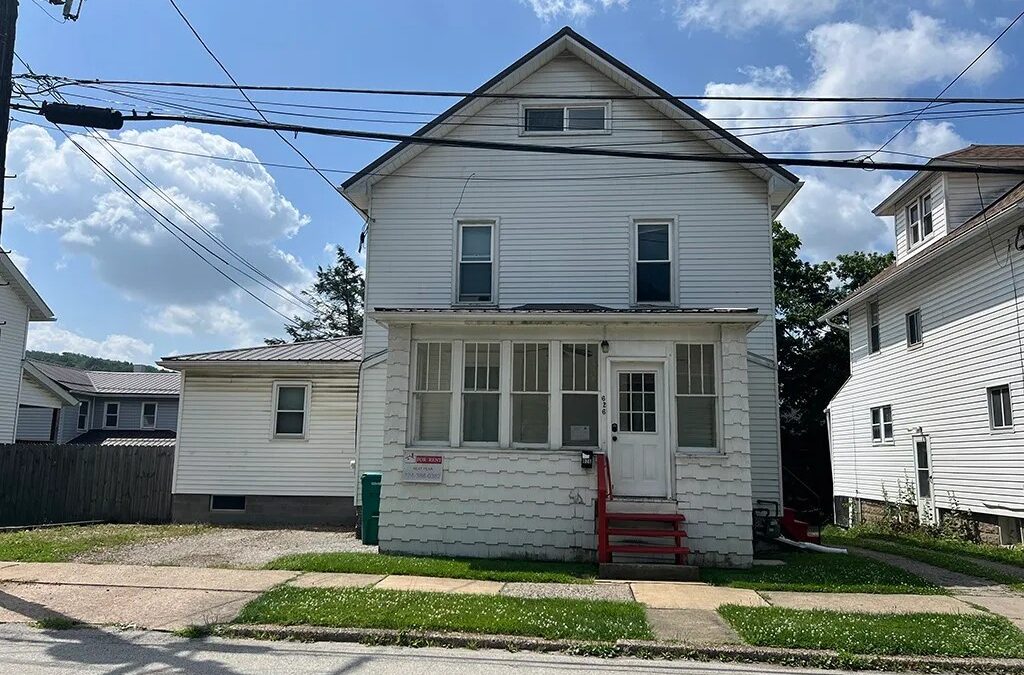
When you need to sell a house in Indiana, PA, that requires major repairs, the process can feel overwhelming before it even begins. Cracked foundations, water damage, outdated electrical systems, and failing roofs all raise the same question: do you have to fix any of this before you can sell?
In many cases, no. Selling a home in poor condition is a real, legal, and often practical option for homeowners in Cherryhill, PA and the surrounding area.
What Does Selling a Home As-Is Actually Mean?
An as-is property sale is one of the most misunderstood terms in real estate. Many sellers assume it means hiding problems or tricking buyers. That is not what it means.
Selling as-is usually means the seller is offering the property in its current condition and is not planning to complete repairs before closing. The exact meaning still depends on the purchase contract, inspection terms, buyer requirements, lender requirements, and any issues that must be handled before settlement.
The Seller Is Not Off the Hook for Everything
Selling as-is does not mean you can ignore legal obligations. It does not erase your responsibility to be honest about what you know. It does not allow you to hide structural problems, mold, or safety hazards.
What it does mean is that you are not agreeing to fix those problems as part of the sale. The buyer understands the condition and chooses to purchase anyway.
What Buyers Accept When They Buy As-Is
Many as-is buyers are more comfortable evaluating repair risk. They already know the home has issues. They are not expecting a move-in-ready house. They are evaluating whether the property has sufficient underlying value to justify the purchase price after accounting for repair costs.
This is an important distinction. The home’s condition still affects pricing, but it does not have to be a barrier to selling.
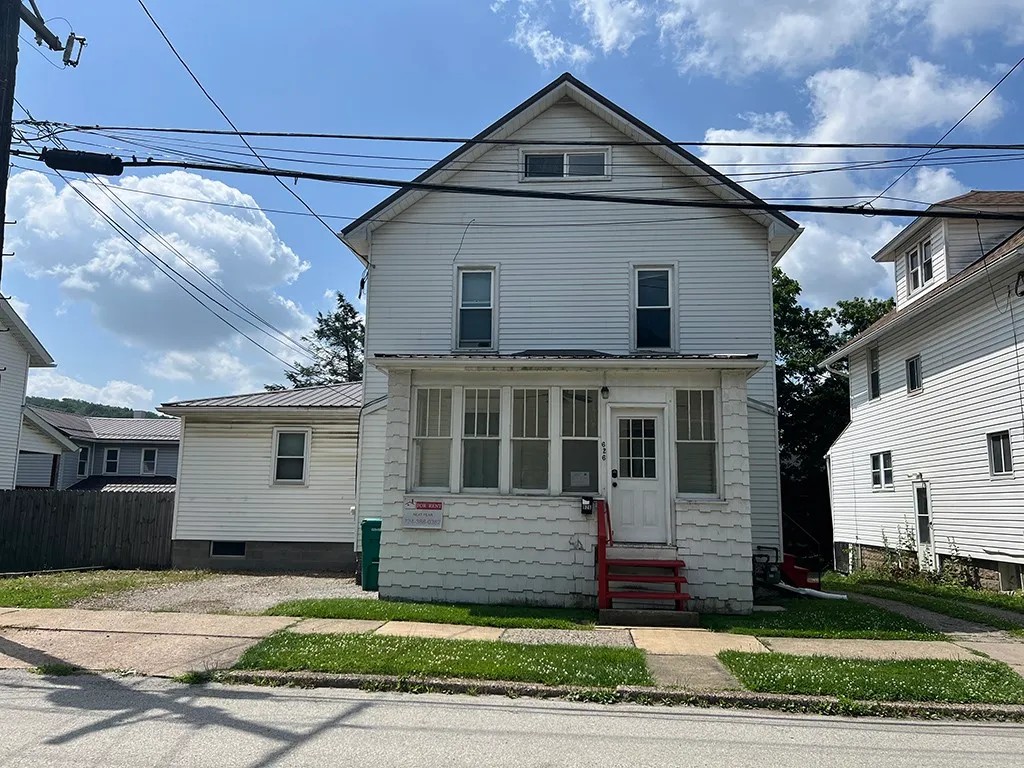
When Selling As-Is Makes Sense
There are situations where spending money on repairs before selling simply does not make financial sense. Common examples include:
- The home has deferred maintenance that has built up over many years
- You inherited a property that has not been maintained or updated
- You are dealing with financial hardship and cannot fund repairs upfront
- You are relocating quickly and do not have time for a lengthy renovation
- The estimated repair costs approach or exceed the home’s current value
In any of these situations, selling without making repairs can be the most practical path forward.
Do You Still Have to Disclose Repairs When Selling As-Is in Pennsylvania?
Yes. This is one of the most important things to understand before listing a damaged property. Pennsylvania sellers generally need to disclose known material defects when the Residential Real Estate Transfers Law applies. Selling as-is does not give a seller permission to hide known roof issues, foundation problems, water damage, mold, electrical hazards, or other material defects. Some transfers may be exempt, so sellers should confirm their disclosure obligations with a Pennsylvania real estate attorney or settlement professional before signing an agreement.
Pennsylvania’s Seller Disclosure Law
Under Pennsylvania’s Real Estate Seller Disclosure Law, sellers are required to complete a written disclosure form before signing an agreement of sale. This form asks about the known condition of major systems and structural components throughout the home.
These include:
- The roof, foundation, and walls
- Plumbing, electrical, and HVAC systems
- Water damage, mold, or flooding history
- Pest infestations, including termites
- Environmental hazards such as radon or lead paint
If the disclosure law applies to your sale, selling as-is does not remove the need to complete the disclosure form accurately based on what you actually know.
What Happens If You Do Not Disclose
Failing to disclose known defects can expose you to legal liability after the sale. Even if you sell as is, a buyer could pursue legal action if they discover that you knowingly withheld information about a serious problem.
The best approach is always full transparency. Document what you know, complete the disclosure form carefully, and work with a buyer who already expects a home in need of significant work. That way, there are no surprises on either side.
Working With a Buyer Who Understands the Condition
One reason some sellers consider a direct cash buyer is that the buyer may be willing to review the home in its current condition. That can be helpful when the property needs major repairs, but the final offer and closing terms still depend on the property’s condition, title work, taxes, liens, settlement requirements, and the contract. They are not relying on a traditional mortgage that requires an appraisal meeting strict condition standards. The transaction is built around the home’s current state, not an idealized future version of it.
How Do Buyers Value a Home in Poor Condition?
Understanding how buyers assess the value of a damaged property helps you make sense of the offer you may receive. The process is more straightforward than most sellers expect.
The After-Repair Value Model
Most buyers who purchase homes in poor condition start with a concept called after-repair value, or ARV. This is the estimated market value of the home after all necessary repairs and updates have been completed.
From that number, a buyer subtracts the estimated cost of repairs, plus any carrying costs, transaction fees, and a reasonable margin to make the project financially viable. The result is the most a buyer can logically offer while still making the investment work.
This is why offers on damaged homes are lower than what a fully updated property would sell for. It is not arbitrary. It reflects a straightforward financial calculation.
Location and Lot Value Still Matter
Even if a home needs major work, its location plays a significant role in valuation. A damaged property in a desirable neighborhood or on a large lot in Indiana, PA, may carry more underlying value than a similar home in a less sought-after area.
The fair market value of a damaged home is not zero. It is a realistic number based on what a knowledgeable buyer would pay given the property’s location, size, and condition.
Why Motivated Sellers Often Choose Cash Offers
A motivated seller dealing with a property that needs significant repairs often finds that the traditional listing process creates more problems than it solves. Homes that need major work tend to sit on the market longer. They may fail inspections, trigger lender requirements, or require price reductions after buyers receive contractor estimates.
A direct cash offer removes many of those complications. A cash sale may remove the buyer’s mortgage approval step, but the buyer may still inspect the property, review title, evaluate repair risk, and negotiate terms before closing. The offer reflects the home’s condition upfront, and the process moves forward from there.
Frequently Asked Questions
How do I sell a house in Indiana, PA that needs major repairs without doing any work first?
You can sell as-is to a cash buyer without completing any repairs beforehand. We assess the property in its current condition, factor in the cost of necessary work, and make an offer based on the home’s current value. You skip the contractor bids, the renovation timeline, and the uncertainty of a traditional listing.
Does selling a home as-is in Pennsylvania mean I do not have to fill out a disclosure form?
Pennsylvania law still requires sellers to complete a written disclosure form even when selling as-is. We encourage all sellers to fill this out accurately and completely. Honest disclosure protects you legally and makes the transaction smoother for everyone involved.
Will CMS Homes buy a house with foundation problems, mold, or major structural damage?
We review properties in a wide range of conditions, including homes with foundation concerns, water damage, structural issues, and deferred maintenance. Whether we can make an offer depends on the property’s condition, location, title status, repair risk, and other closing-related factors.